
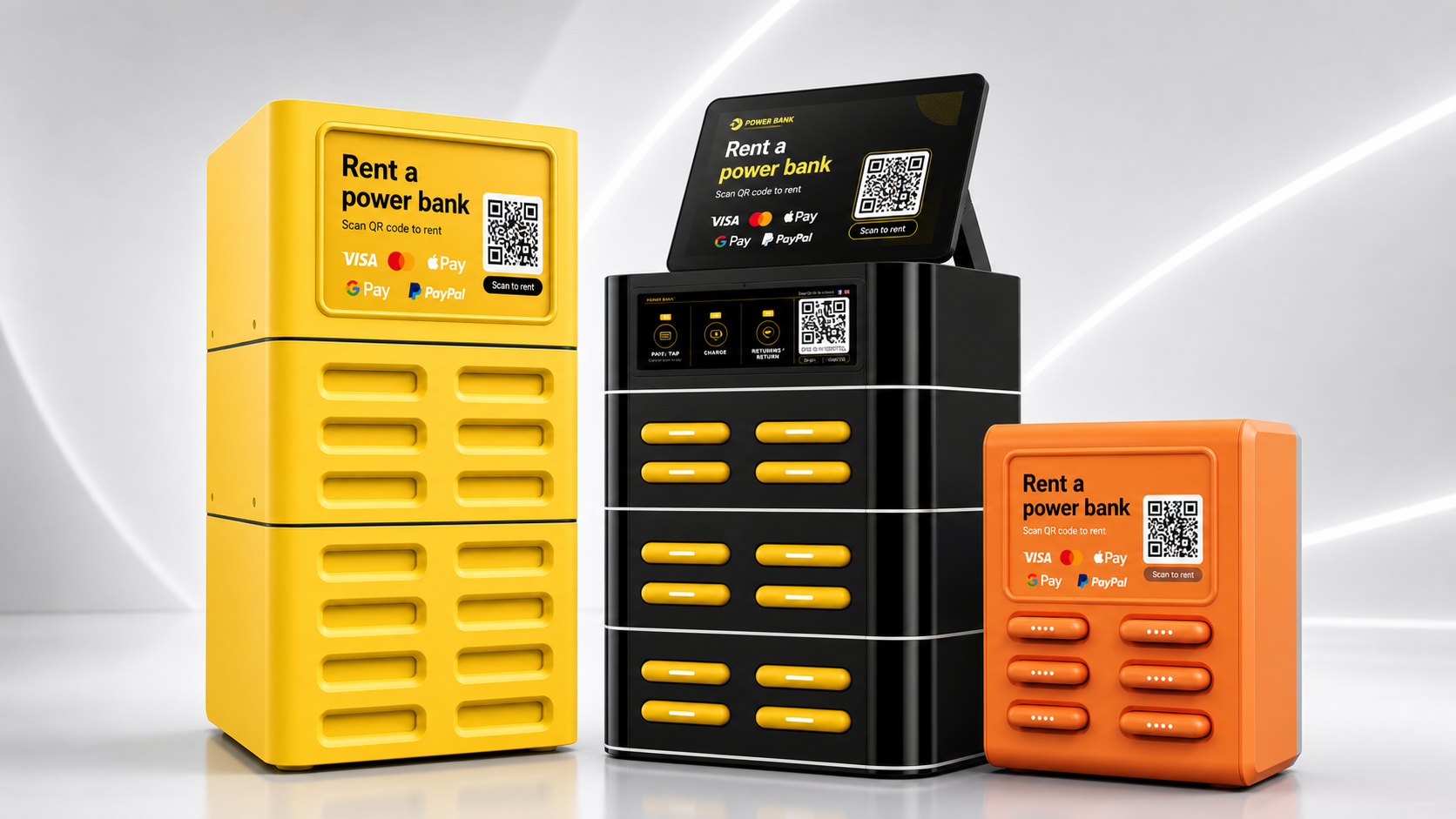
The rental flow matters as much as the station itself. A shared power bank user should understand the path in seconds: scan the QR code, authorize payment, unlock a charger, return it to a compatible station and see any settlement or refund outcome clearly.
See the dedicated H5 shared power bank rental platform specification for the browser flow, operator workflow, white-label boundary and required implementation inputs.
For Singapore demand testing, this topic connects directly with the Power Bank Rental System in Singapore page. It is not a retail power bank purchase path; it is a B2B operating flow for shared power bank rental stations.
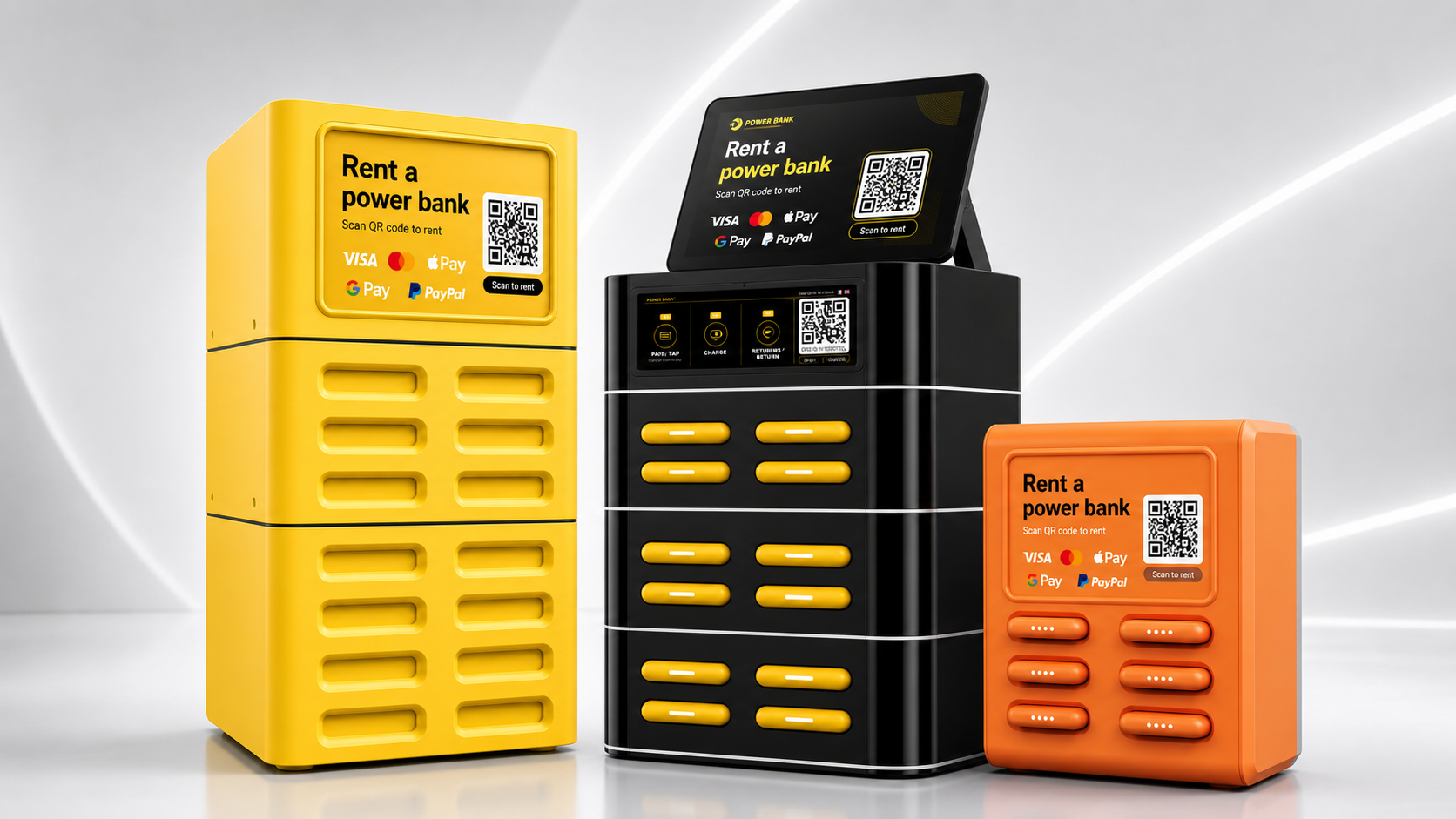
When H5 is usually enough
An H5 rental page is useful when the first goal is venue and payment validation. Users scan the QR code from the station, open a web-based rental page, confirm the rental rule, authorize payment and unlock a power bank. Operators can test whether people rent, return and ask for support without forcing every user to download an app first.
This is often suitable for:
- Starter pilots with 10-20 stations.
- Venue tests in cafes, bars, hotels, events or tourist areas.
- Markets where the first challenge is payment authorization and return behavior.
- Operators that want to review real orders before investing in a full app.
Operators should still check browser, payment and privacy requirements with local providers. Public references such as Stripe payment method documentation and local payment-network guidance can help teams prepare questions before integration.
When an app becomes useful
A native app is stronger when the business already has repeat users, brand channels or loyalty plans. It can support push notifications, saved payment methods where permitted, order history, campaign entry points and deeper user support. However, an app also introduces store review, version management and user-acquisition work.
Before committing to an app-first launch, operators should review platform requirements such as the Apple App Review Guidelines and Google Play developer policies. These do not replace legal or payment advice, but they remind teams that app distribution is an operating project, not only a design task.
A practical hybrid path
For many B2B teams, the practical path is hybrid:
1. Start with H5 scan-to-rent to validate station placement and payments. 2. Use the SaaS dashboard to monitor orders, returns, refunds, offline alerts and merchant performance. 3. Add app features only after repeat usage, support patterns and brand needs become clear. 4. Keep the same operational rules across H5 and app so the dashboard remains consistent.
The related guide on payment and refund setup explains why payment rules should be planned before the pilot starts.
What to prepare before asking for a flow plan
When requesting a pilot launch plan, send the target city, expected station quantity, target venue type, preferred payment methods, language requirements and whether you want H5 only, app only or a staged H5-to-app path.
CoreCharge Cloud can then discuss SaaS flow, station options and admin dashboard setup around the actual operating scenario instead of offering a generic hardware quote.
FAQ
Can a power bank rental business start with H5 before building an app?
Yes. Many operators use an H5 scan-to-rent flow for early pilots, then add a native app when branding, retention or app-store acquisition becomes important.
Is this guide for personal charger buyers?
No. It is for B2B operators, agents, venue owners and local brand teams planning a shared power bank rental service.