The operating system behind a shared power bank network.
CoreCharge brings compatible devices, rental workflows, supported payment integrations and an operator dashboard together. Start on a shared platform while your team focuses on local venues and service.
Cloud
A full IoT SaaS map from device access to delivery operations.
The platform is organized around device connection, traffic access, microservice governance, PaaS support, monitoring and CI/CD release, so operators can start with SaaS and later migrate into their own deployment.
Device access, client traffic, microservice governance, platform support, monitoring and CI/CD delivery loop.
Start with the platform. Choose your next step as you grow.
An independent software project is not a prerequisite for testing local demand. Start with SaaS; brand customization and private deployment are optional projects with separately agreed scope and fees.
SaaS pilot
Start with a small batch of stations and a prepared workspace to test venues, pricing, payment success and rental behavior.
Alliance brand operation
Operate as a local agent or partner under a ready brand while building merchant relationships and operational data.
Own-brand upgrade
When the model works, customize brand identity, app/H5 UI, hardware appearance, pricing rules and payment configuration.
Private deployment
Consider a dedicated deployment when your business needs it. Confirm migration scope, responsibilities, fees and the implementation plan for your project.
A platform built around real rental operations.
The technology layer is not just a website or app. It supports device events, pricing, settlement, refunds, merchant permissions and data visibility.
Device connection
Review reported connectivity, slot inventory, rental/return events and supported remote diagnostics. Status depends on device reporting; automatic email/push offline alerts are not included in the standard service.
Order and payment engine
Deposit, pre-authorization, timed billing, refunds, wallets and local payment gateway integration by market.
Roles and settlement
Platform, brand, agent, merchant and store roles with separated data scopes, balances and operating permissions.
Dashboard intelligence
GMV, orders, devices, merchant rankings, activity trends and abnormal station signals for daily operations.
Open API layer
Connect local payment providers, membership systems, websites, apps, merchant tools and later business modules.
Migration base
Preserve devices, merchants and operational logic so the SaaS pilot can grow into a private deployment path.
After charging works, the same architecture can expand.
A proven local rental network can later connect marketplace, ride-hailing, food ordering, membership, advertising, merchant services or other regional business modules.
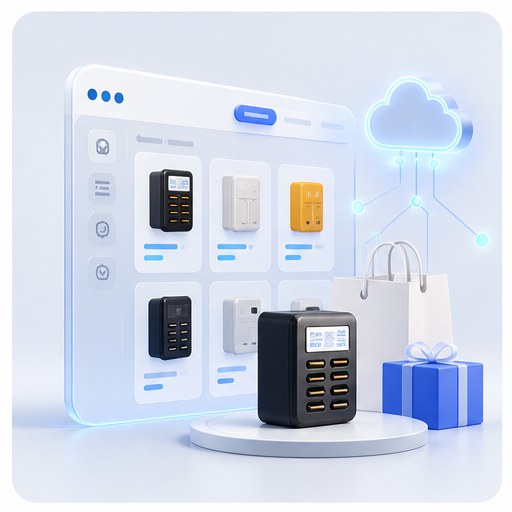
Catalog, coupons, local marketplace orders and customer retention.
Map dispatch, route orders, driver partners and in-app payment.
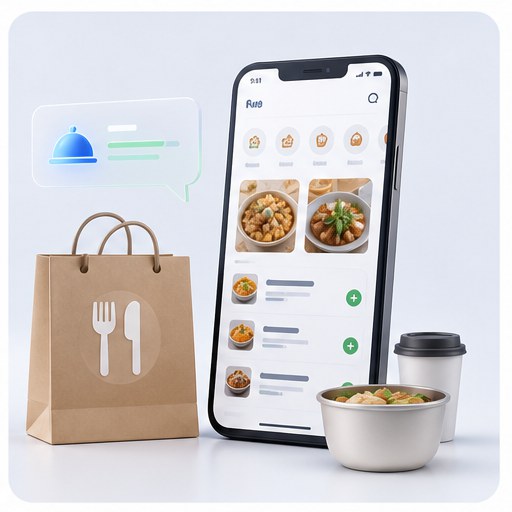
Restaurant menus, delivery orders, pickup flow and settlement.
User tiers, points, wallet, coupons and repeat-use campaigns.
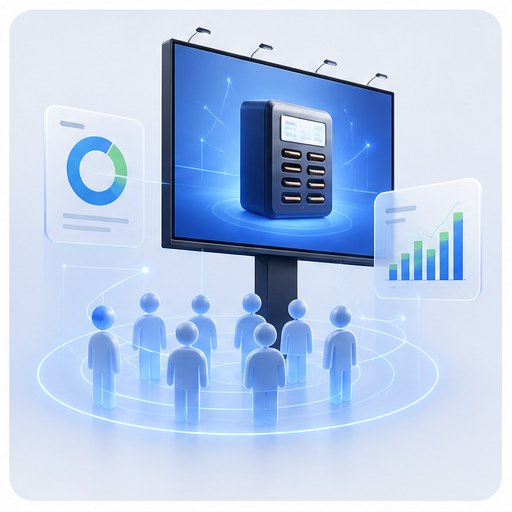
Screen campaigns, venue promotions, content scheduling and data.
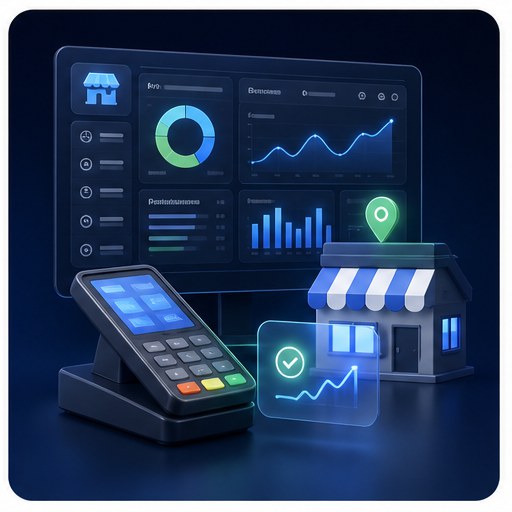
Merchant tools, POS, settlement, support tickets and local services.
Daily operations and your next software step
Know what the standard dashboard shows, what remains an operator task and how a future integration is handled.
What can the dashboard tell me about a station?
With the appropriate permissions, review reported station/slot status, inventory, orders, payment references and status, pricing and revenue. Supported actions can include remote diagnostics and equipment control. These are reported states, not an independent inspection of every physical fault. Automatic email/push offline alerts are not currently included in the standard service.
Can staff export reports and manage venue commissions?
Available Excel exports and venue/device-level order and revenue views follow your account roles and menus. Supported commission calculations can be configured; reports do not automatically transfer money to venues. CSV can be prepared from exported spreadsheets. Confirm the actual fields and roles in your account demonstration; arbitrary custom metrics and permissions are not standard features.
Can my purchased hardware later use my own backend?
Yes, after the necessary compatible development and integration. CoreCharge does not charge a hardware migration or firmware-unlock fee or impose a punitive hardware lock for leaving the hosted platform. Device communication information and necessary integration guidance are provided; this does not include free custom development or ownership of CoreCharge source code. Separate signed commitments still apply.
Plan the right architecture before the first shipment.
Tell us your country, payment method, expected station count and whether you want SaaS trial, own-brand upgrade or private deployment.
Content reviewed: 20 October 2026