
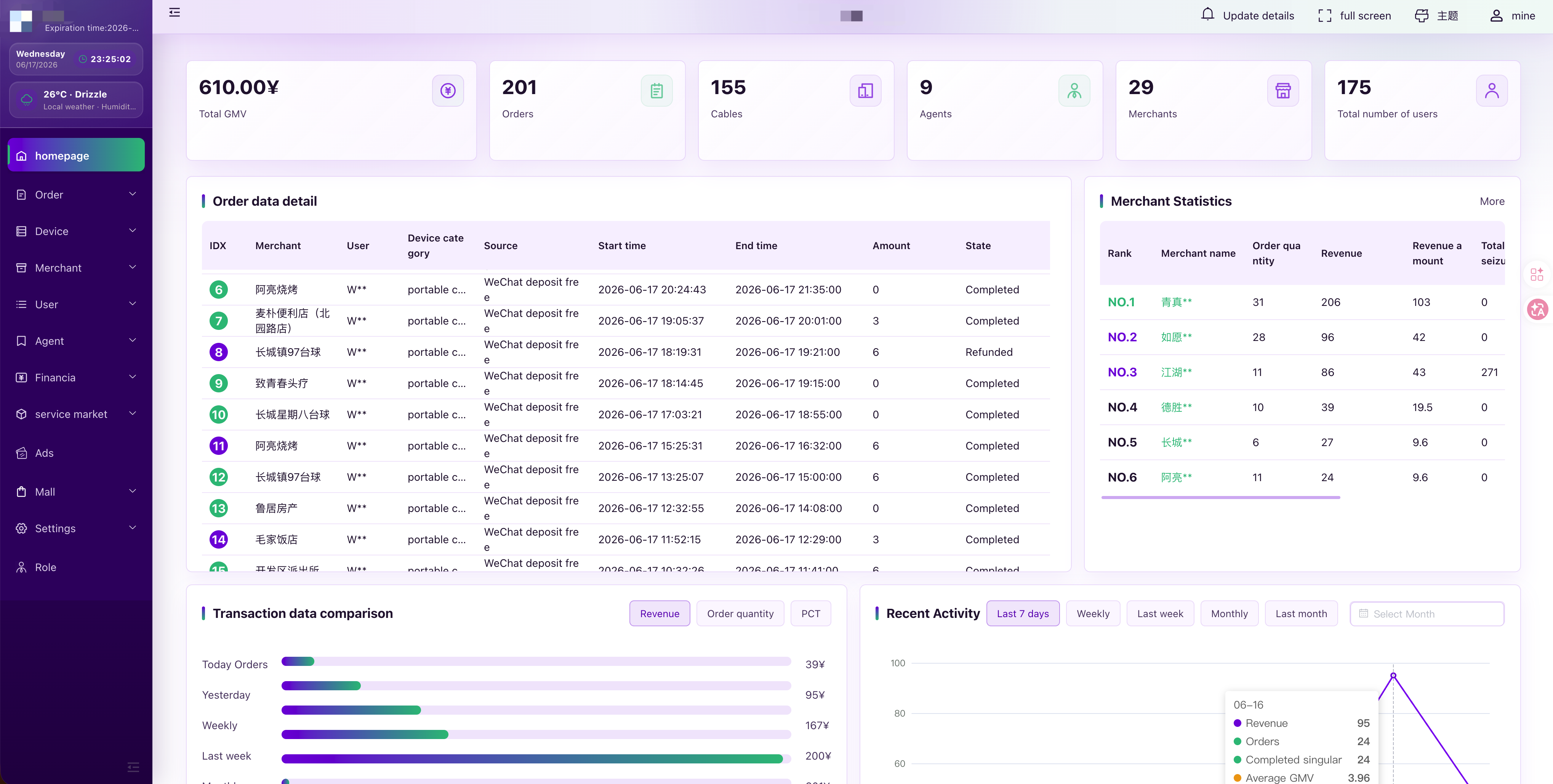
A shared power bank business is rarely operated by one person after the first pilot. Operators often work with agents, venues and merchant teams. If the SaaS dashboard does not separate these roles early, reporting and support become difficult when the station network grows.
This guide is for B2B operators, agents, venue owners and local brand teams. It links with the Singapore power bank rental system page and the pilot package guide.
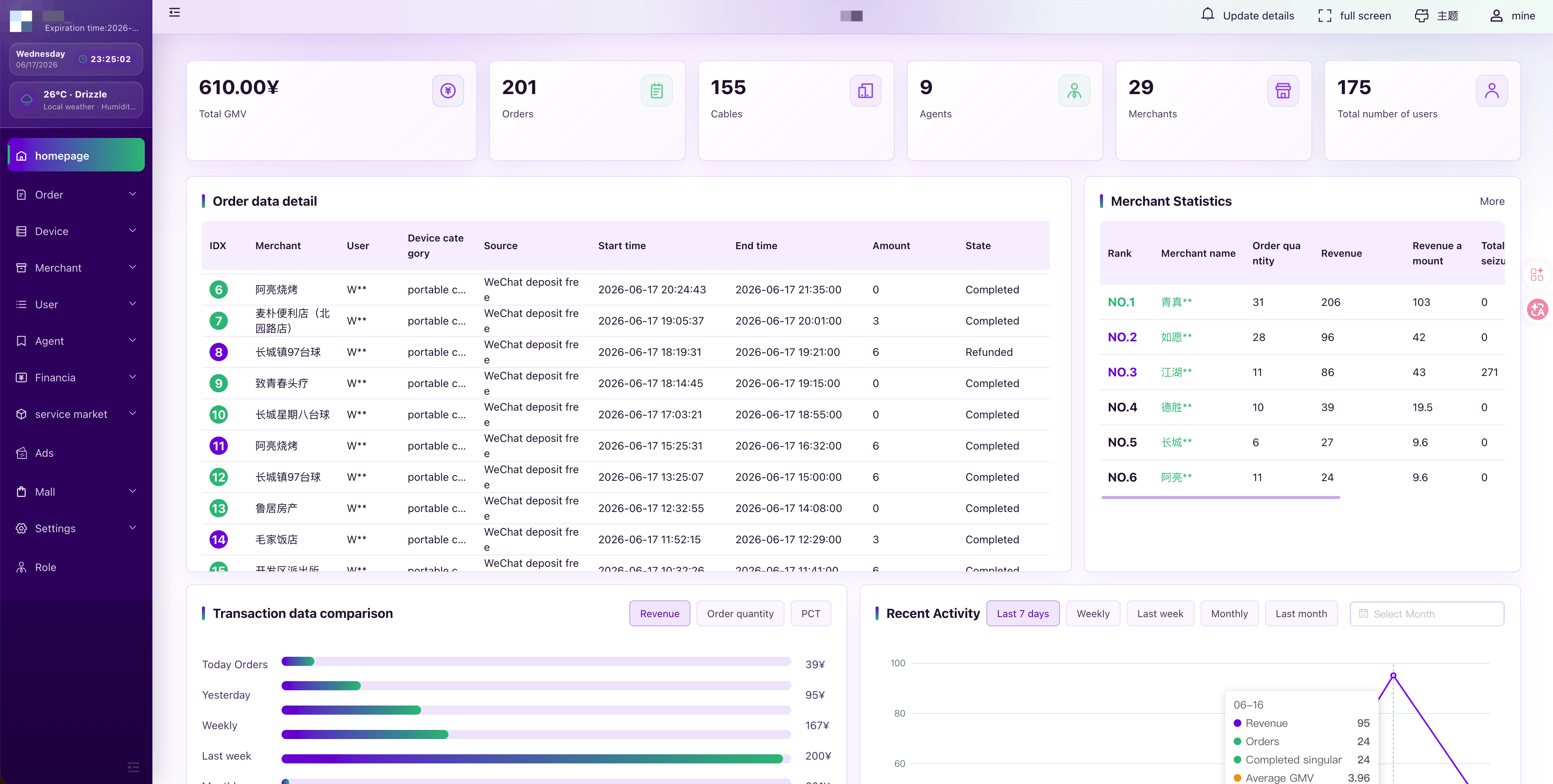
The operator role
The operator owns the launch strategy. This role usually reviews:
- Overall station inventory and online/offline status.
- Order records, rental status, refunds and abnormal returns.
- Agent and merchant performance reports.
- Pricing rules, deposit rules and payment-provider settings.
- Customer-service escalation and business policies.
For a SaaS-first launch, the operator should define these rules before placing a large number of stations.
The agent role
Agents help expand a city or area. Their role may include venue development, station placement, basic merchant support, first-line inspection and performance follow-up. In the SaaS dashboard, agent permissions should be clear: which stations they can view, which merchants belong to them, and which reports they can export.
If the agent structure includes revenue share or commission, settlement reports should be discussed before launch. The shared power bank agent dashboard field guide shows how station, order, refund, settlement, freshness and support fields can be separated without promising accounting accuracy or payout timing. For payment-provider models, references such as Stripe Connect documentation can help teams understand general marketplace/payment-account concepts before choosing a local provider. Teams preparing Singapore pilots can also review public business-support references from Enterprise Singapore while planning the local operating model.
The merchant or venue role
Merchants usually care about a simpler view:
- Is the station online?
- Are users renting and returning?
- Who should be contacted for support?
- What reports can the venue see?
- How are station placement and replenishment handled?
The venue does not need full platform control. A clean merchant account should focus on station status, orders and support coordination.
Why role design improves conversion
For buyers evaluating a shared power bank platform, clear role design is a trust signal. It shows that the system is prepared for daily operations, not only QR rental. It also helps teams discuss the first pilot honestly: who will place stations, who will train venues, who will monitor refunds and who will decide whether the pilot expands.
Operators can also review the venue deployment checklist to connect account roles with actual station placement.
What to send before requesting a role plan
Send your planned city, station quantity, number of agents, venue categories and whether merchants need their own login. If you already have a local payment or settlement policy, include that too. The goal is to map the SaaS roles to real operating responsibilities, not to add unused permissions.
FAQ
Can one shared power bank system support agents and merchants?
Yes, if the SaaS platform separates operator, agent and merchant roles with station ownership, reports and settlement rules.
Should agent and merchant rules be set before station deployment?
Yes. Clear role rules reduce later disputes around station responsibility, support workflow and reporting.