Choose an OEM or ODM factory by how well it controls the exact product you intend to launch, not by the size of a photo gallery. The decision should connect hardware configuration, production records, rental software, branding, inspection and shipment acceptance. This framework is for agents, operators and brand teams preparing a shared power bank pilot or rollout.
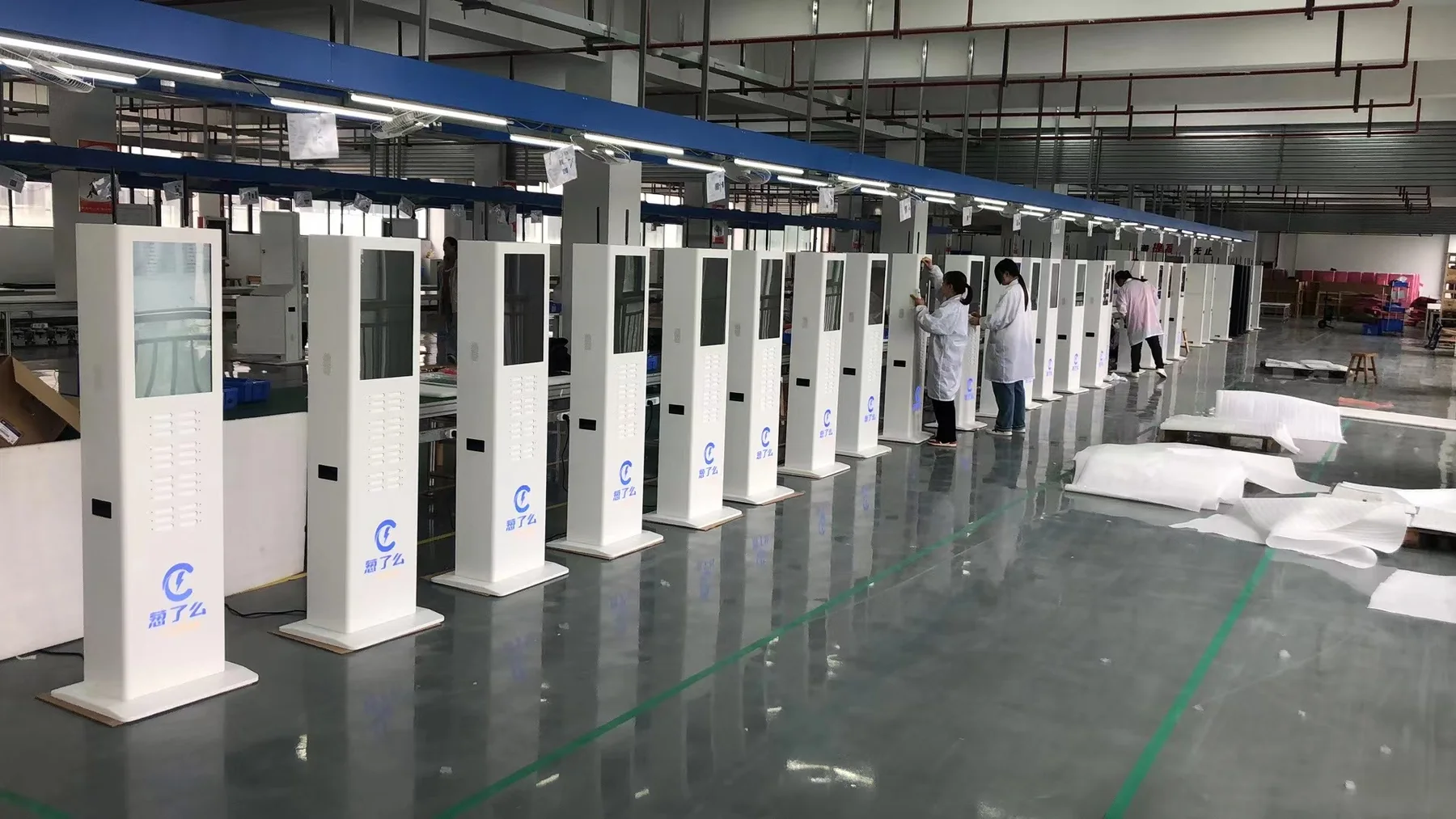
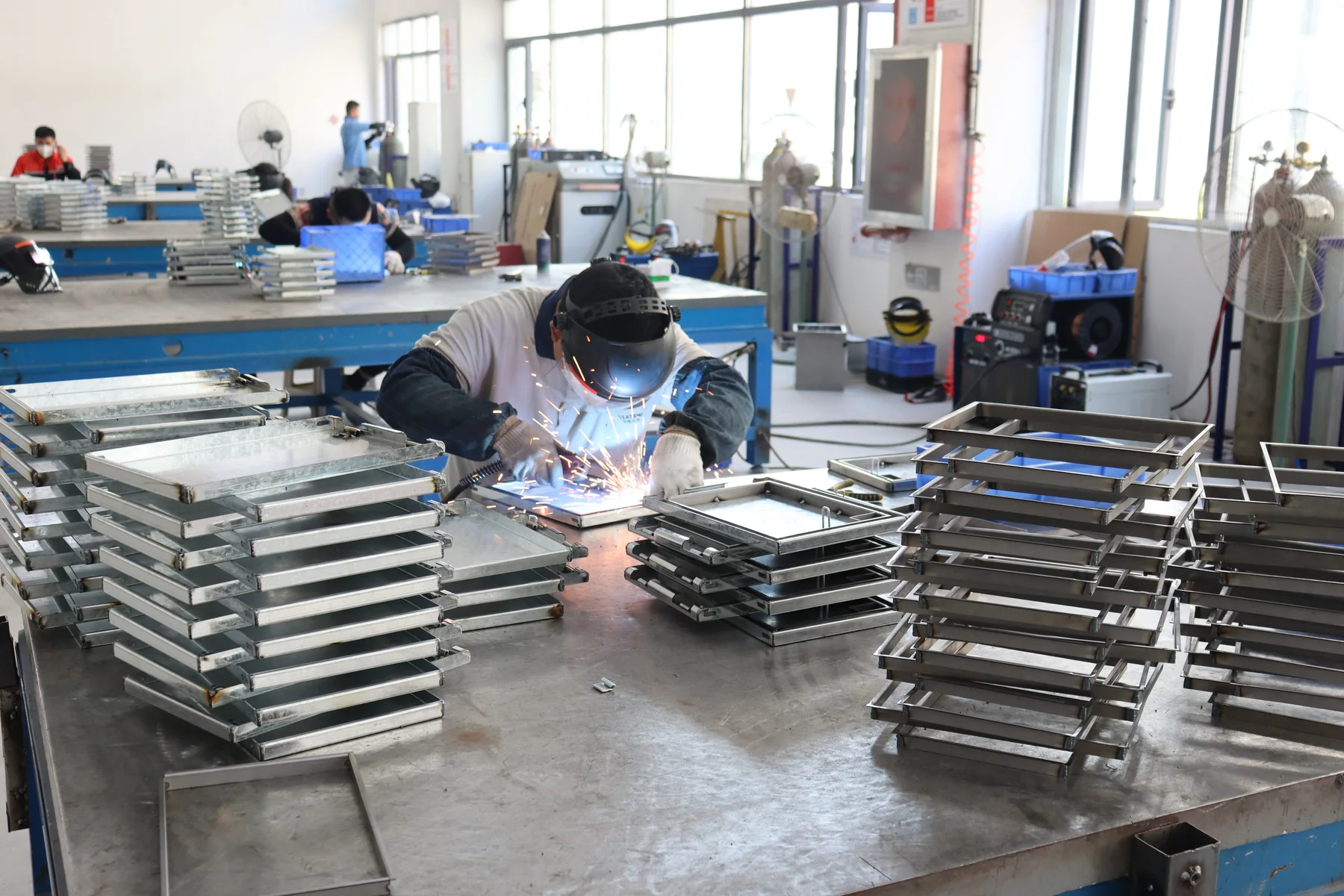
The Factory B evidence section shows campus, assembly, SMT, automated inspection, injection molding, sheet-metal work, aging racks and screen-equipped cabinets. It also lists seven exact model-document previews. These are useful screening inputs, not a blanket endorsement or ownership claim.
1. Define the launch configuration
List the station slot count, cabinet format, display, power bank, battery and cable configuration, radio option, payment or QR flow, H5 or App route, firmware, language, branding and packaging. Ask every candidate to respond to the same list.
2. Decide whether you need OEM or ODM work
| Requirement | Likely path | Main evidence |
|---|---|---|
| Existing model with logo and packaging changes | OEM or white-label adaptation | Approved artwork, sample and change list |
| Existing platform with cabinet or component changes | Controlled OEM customization | Configuration record, engineering review and revised sample |
| New mechanical or electronic design | ODM development | Design ownership, validation plan, tooling and change control |
| Fast pilot with minimal changes | Standard model first | Exact SKU, software fit and pre-shipment acceptance |
3. Verify the relevant process
Match each requested change to a visible and documented process. Plastic enclosure changes need tooling and injection-molding controls. Cabinet changes need sheet-metal or frame controls. Electronics changes need board, firmware and test evidence. Branding changes need approved artwork and sample control.
4. Connect the hardware to the rental system
Ask how station, slot and power bank identifiers reach the SaaS platform. Verify QR context, unlock and return events, firmware versioning, offline recovery and operator roles. A cabinet sample is incomplete if the rental workflow cannot be tested.
5. Compare change control and support
Record who approves component substitutions, firmware updates, artwork changes and packaging changes. Name the engineering, QA and account owners. Require a dated acceptance path for the pilot and every later batch.
6. Approve evidence before scale
Use a small model-bound sample and an end-to-end rental test before a larger batch. Link the approved sample, documents, test records, serials and packing list to the purchase specification.
Limitations
Factory B is a supplier-source evidence group. The website does not claim that CoreCharge Cloud owns or operates it, that every product is covered by the displayed documents, or that any destination market has approved a shipment. Final decisions depend on the ordered configuration, complete records, importer and market requirements.
Review the broader CoreCharge Cloud OEM/ODM path and submit one locked configuration through the consultation form.