Start from 20, 50 or 100 stations instead of guessing quantity.
Test Whether An Overseas Shared Power Bank Business Is Feasible.
CoreCharge Cloud helps overseas agents and brand teams test the business with SaaS, pilot devices, H5/App rental flows, local payment planning and operating data before scaling into their own brand platform.
Low-cost pilotValidate demand before heavy investment
Venue expansionScale with real orders and station data
Own-brand platformMigrate after the model is proven
Launch stack
Hardware · SaaS · App/H5 · Payments
Overseas launch path
Four steps from pilot package to go-live.
Match venues, payment habits, language and hardware format.
Prepare dashboard, pricing, roles, H5/App flow and payment setup.
Launch under SaaS first, then upgrade to your own brand when ready.
Resource Hub
News, Market Guides And Launch Articles In One Place.
Review market entry ideas, product updates and practical shared power bank launch articles before choosing your pilot package.
Role-based software
Shared Power Bank Software Function List
Operator Reading
Pilot Launch Resources
OEM / ODM
Brand Customization Path
Choose a role and review what it can view and do across 21 core functions in six languages.
Open integration Hardware Protocol Developer CenterRead the complete v1.51 command semantics, upload and downlink parameters, CRC code, test vectors and machine-readable contracts.
News Industry News CenterFollow SaaS, hardware, payments and operating updates for overseas shared power bank teams.
Markets Country Market SolutionsChoose Singapore, Malaysia, UAE, Africa or Europe plans by pilot scope, payment readiness, hardware fit and operating model.
Singapore Power Bank Rental SystemA B2B launch page for operators, agents, venue owners and brand teams planning Singapore pilots.
Review buyer questions, starter guides, H5/App flow, pilot packages and payment setup before choosing devices.
Plan device appearance, H5/App flow, local payments, packaging and SaaS configuration for your own launch brand.
Pilot Launch Packages
Start With One Of Our Three Recommended Pilot Packages.
Choose the package that fits your market stage, submit the order intent, then complete KYC, payment configuration and brand review in the operator portal.
Draft budget: USD 6k-9k
- 20 x 8-slot desktop stations
- About 160 rentable power banks
- 3-5 venue types for first signal
- SaaS alliance-brand operation
Draft budget: USD 15k-25k
- 30 x 8-slot + 20 x 12-slot stations
- About 480 rentable power banks
- Restaurant, hotel, bar and mall mix
- Payment gateway and dashboard setup
Draft budget: USD 35k-60k
- 60 x 8-slot + 30 x 12-slot + 10 kiosk stations
- High-traffic venue and agent network plan
- Own-brand upgrade preparation
- Private deployment migration path
Next Step After Validation
Start with standard hardware, then move into your own brand.
Many buyers use SaaS and recommended packages to test venue demand first. Once orders and station data are clear, the same launch path can move into OEM / ODM customization for devices, rental UI, packaging and brand assets.
View OEM / ODM Customization
SaaS Pilot
Alliance Brand
Local Payments
Venue Data
Own Brand
Private Platform
Microservice Expansion
A SaaS Operating Layer Built For Fast-Moving Launch Teams.
CoreCharge Cloud is a new-generation shared power bank SaaS platform. It turns repeated customer launch work into a reusable operating system for devices, rentals, payments, merchants, roles and revenue reports.
- Real-time device and revenue monitoring
- Multi-merchant and agent role management
- Open API for ecosystem integration
Know which stations are online, empty, faulty, earning or ready for relocation.
Plan Stripe, PayPal, Apple Pay, Google Pay and local gateways by market.
Keep devices, merchants and operating data ready for own-brand migration.
Scan
Pay
Rent
Migrate
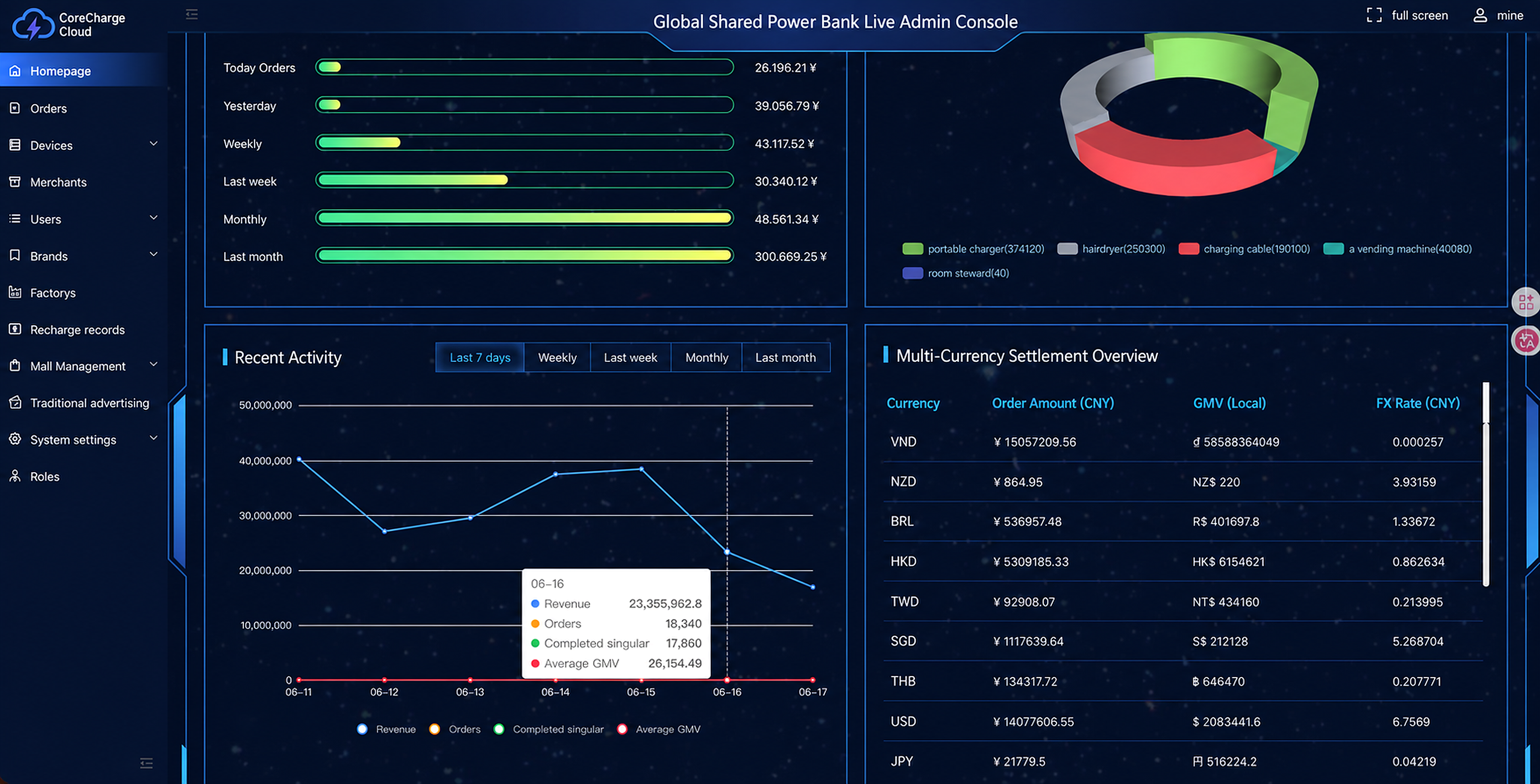
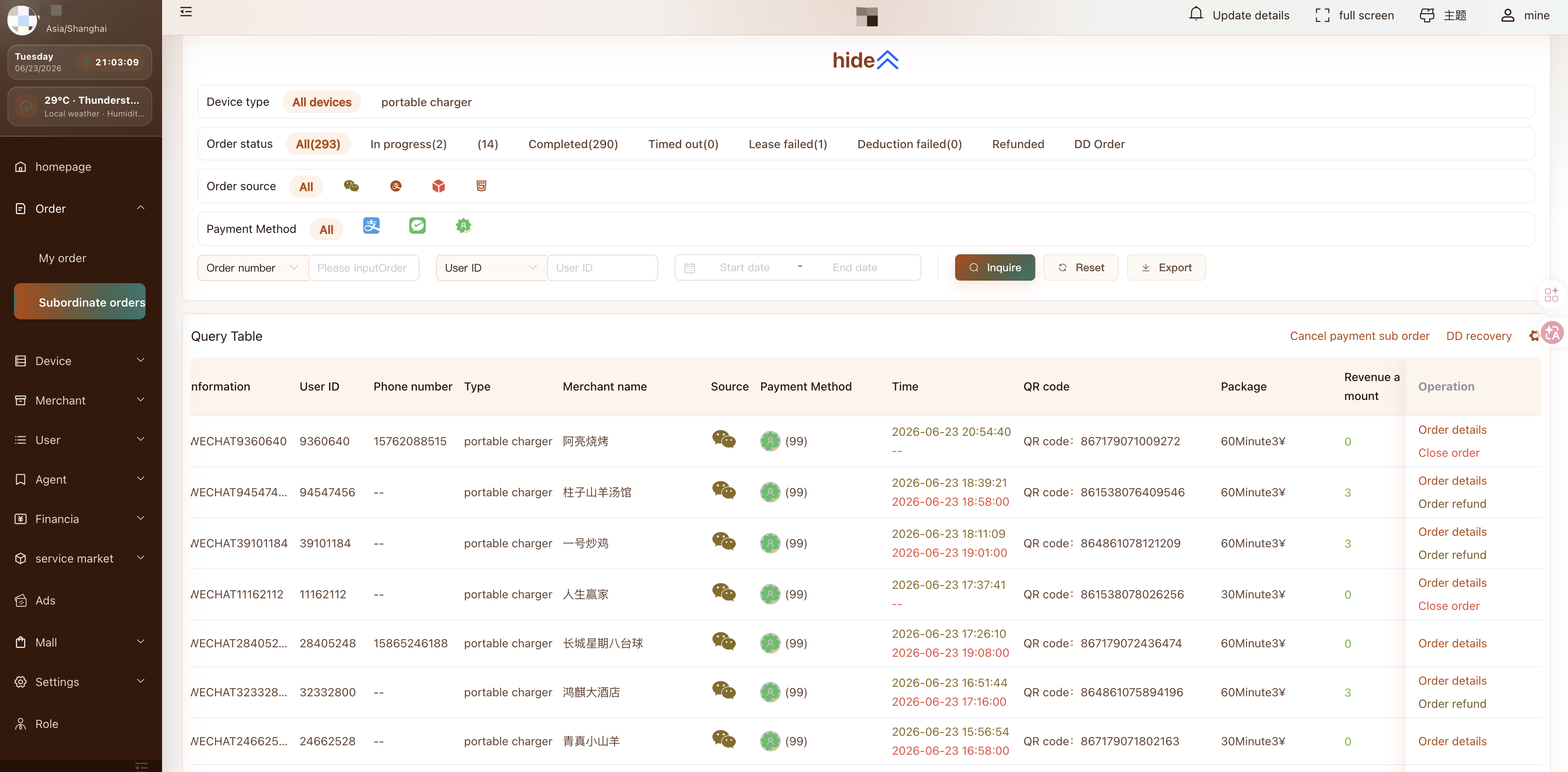
A Real Back Office For Brand Operators.
The brand dashboard can show GMV, orders, power banks, agents, merchants, users, order details, merchant rankings and activity trends in one operating view.
See daily income, refunds, completed orders and payment signals before expanding the station batch.
Compare venue order volume, revenue and activity so operators know where to add or move stations.
Use operating records as the evidence base for own-brand upgrade and private platform migration.
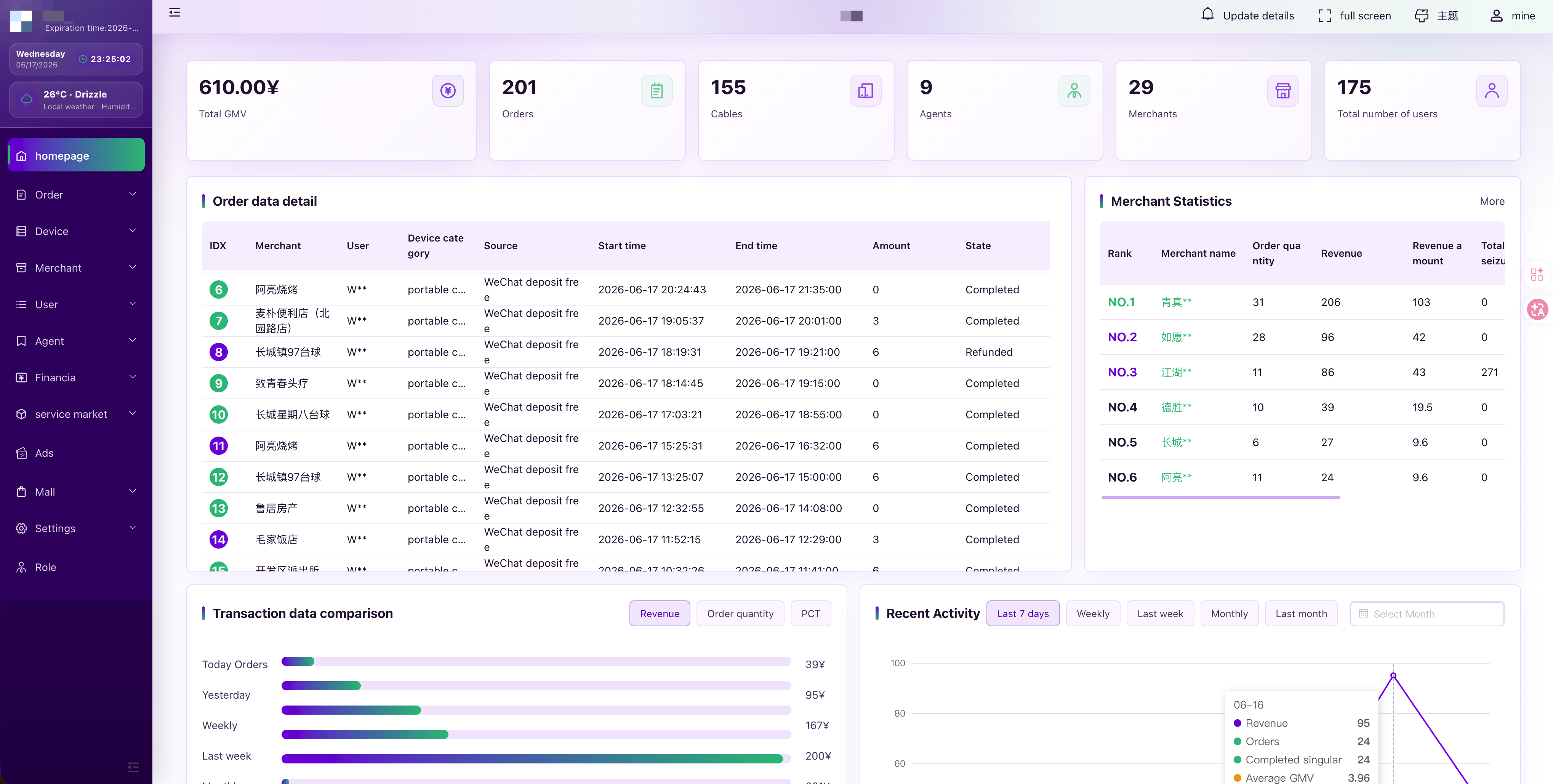
Orders
201
Merchants
29
Software Built For Real Rental Operations.
From scan-to-rent to refunds, pricing, merchant settlement and customer support, the software layer is prepared for overseas deployment.
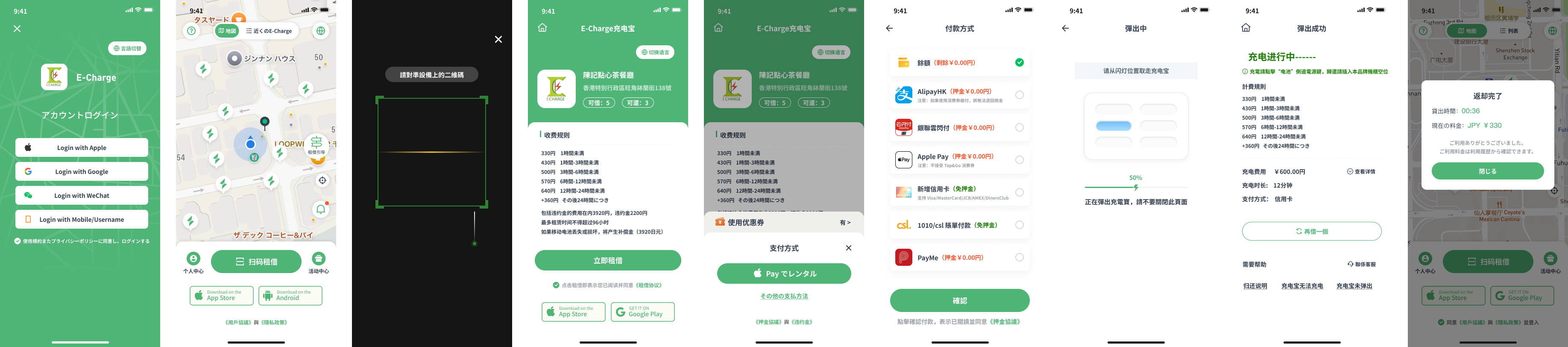
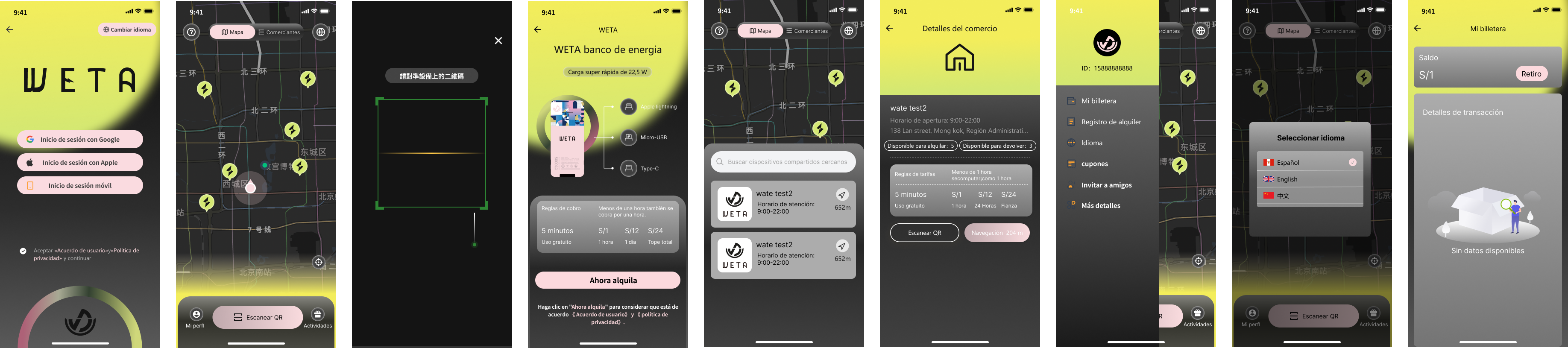
Rental Methods Prepared For Different Markets.
Support scan-to-rent, app rental, NFC payment, payment code and POS-friendly station flows so the same platform can adapt to local user habits.
Users scan the station QR code and rent directly through H5 or app flow.
Native app entry for membership, coupons, order records and nearby stations.
Apple Pay, Google Pay or local NFC card flows for faster high-traffic rentals.
Optional station hardware can support card-present scenarios and venue-specific requirements.
Users present an e-wallet code or use local wallet checkout where that behavior is common.
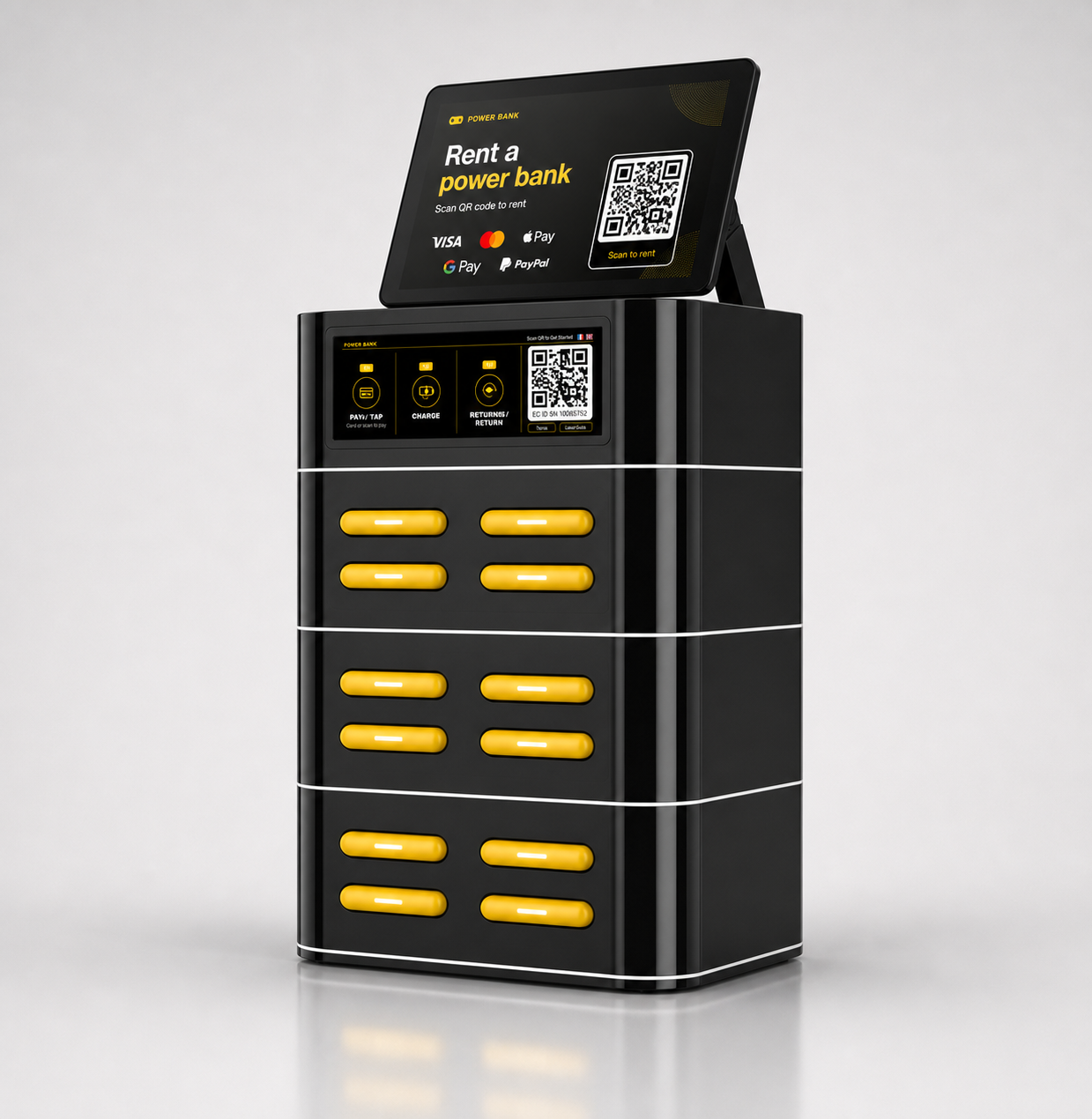
Hardware That Feels Ready For A Global Brand.
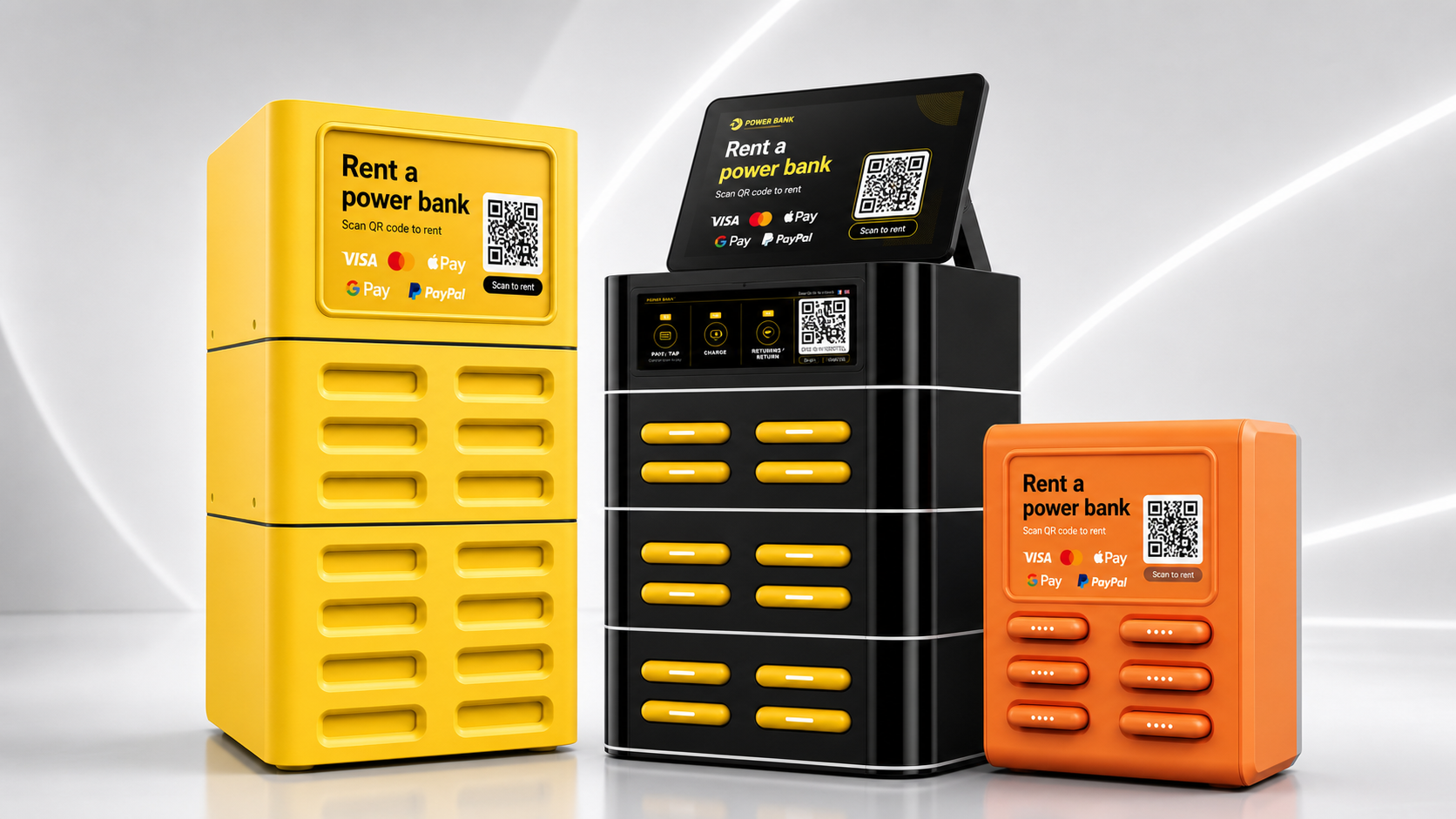
Use compact stations for pilots, higher-capacity stations for malls and hotels, and OEM/ODM branding when the model is proven.
Filter by equipment type, slot count and model.
Verified Customer Deployments
Real systems, publicly verifiable.
PinDiDong, Charge Buddy and Qbee are authorized named CoreCharge delivery cases. Each case page shows the approved delivery scope, live public evidence routes and the boundary between independently observable facts and business-owner-authorized statements.
View verified deployments
PinDiDongShared power bank
Charge BuddyShared power bank

QbeeShared power bank + other shared devices
Name, logo and bounded delivery wording authorized 13 August 2026. Public evidence and private delivery facts are separated on each case page; no revenue, order-volume or endorsement claim is made.
A Product Matrix For Pilot, Rollout And High-Traffic Venues.
Compare tabletop, stackable and kiosk formats by venue density, rollout stage, payment habits and branding plan.
8 slots
Desktop Pilot Stations
Low trial cost for restaurants, cafes, bars, hotels and first venue batches.
- Best for 10-50 station pilots
- Low table footprint for cafes and restaurants
- Fast venue testing before brand upgrade
12 slots
Stackable Rollout Stations
Flexible expansion when station density and rental demand become clearer.
- Add capacity without changing the venue plan
- Good for proven restaurants, hotels and bars
- Supports phased rollout after SaaS validation
12 / 24 / 36 / 48 slots
Mall And Transport Kiosks
Higher-capacity formats for shopping centers, stations, events and tourist traffic.
- Built for high-traffic public locations
- Clearer brand presence and optional screens
- Better fit for city rollout and private deployment
OEM / ODM
Explore Customization Path
Private-brand customization for teams ready to build their own market identity.
Customize the device shell, logo, stickers, screen content, rental UI, packaging files and operator-console brand settings after your pilot model is validated, or plan a branded first batch from the beginning.
Place Stations Where Phone Battery Anxiety Becomes Revenue.
The first pilot should focus on venues with dwell time, night traffic, travel traffic or high phone usage, then expand from the locations that produce clear rental data.
Restaurants, cafes, hotels and bars are useful first venues because users stay long enough to need a power bank.
Nightlife, travel and events create moments where users cannot wait for a wall outlet.
Countertops, reception desks, mall entrances and terminals need clear station visibility and fast payment flow.
Stable table time and repeated local customers make them good pilot venues.
Long dwell time, late hours and urgent charging needs can improve rental frequency.
High foot traffic and clear station visibility are suitable for rollout stations.
Travelers need charging without local accessories, deposits or complicated setup.
Temporary high-density traffic is useful for brand exposure and batch rentals.
Stations, airports and terminals need higher-capacity formats and fast payment flows.
From Requirement To Deployment, One Delivery Path.
The process follows the same buyer logic as overseas suppliers: define the market, configure software, confirm hardware, test, produce, deploy and train.
Market, payment, venue mix, station type, branding and pilot size.
Rental flow, pricing, merchant roles, dashboard, language and payment gateway.
Model selection, OEM/ODM details, screen content, packaging and sample review.
Device online, eject/return, payment, refund, fault handling and operating reports.
Batch production, system deployment, migration plan and shipment coordination.
Operator training, after-sales response, dashboard handover and expansion planning.
Build For One Country First. Scale Without Rebuilding.
Shared power bank launches become real when payments, language, compliance, venue density and operator support are prepared for the target market before shipment.
Country Launch Readiness
Every market gets a go-live checklist.
US / CACard + wallet checkout
EU / UKVAT receipt and GDPR-aware flow
GCCMall, hotel and event rollout
SEAQR wallet and agent network
LATAMSpanish UI and local settlement
Plan cards, Apple Pay, Google Pay, PayPal, QR wallets, POS modules and settlement currency by country.
Prepare app, H5, station screen, receipt text, refund messages and operator dashboard language.
Collect CE, FCC, RoHS, MSDS, UN38.3, battery and market-specific files before buyer review.
Match desktop, stackable or kiosk stations to restaurants, bars, malls, hotels, events and transit hubs.
Train brand operators on pricing, merchant settlement, device relocation, faults and support workflow.
Keep data, devices, domains and modules ready for own-brand or private platform migration.
Pilot Launch Packages
Start With One Of Our Three Recommended Pilot Packages.
Choose the package that fits your market stage, submit the order intent, then complete KYC, payment configuration and brand review in the operator portal.
Draft budget: USD 6k-9k
- 20 x 8-slot desktop stations
- About 160 rentable power banks
- 3-5 venue types for first signal
- SaaS alliance-brand operation
Draft budget: USD 15k-25k
- 30 x 8-slot + 20 x 12-slot stations
- About 480 rentable power banks
- Restaurant, hotel, bar and mall mix
- Payment gateway and dashboard setup
Draft budget: USD 35k-60k
- 60 x 8-slot + 30 x 12-slot + 10 kiosk stations
- High-traffic venue and agent network plan
- Own-brand upgrade preparation
- Private deployment migration path
Buyer selects a pilot mix and submits order intent or deposit payment.
Company profile, beneficial owner, brand assets and payment-gateway documents are reviewed.
Admin dashboard, pricing rules, merchant roles, payment methods and language are configured.
Devices ship after configuration, then the operator starts with alliance brand or own-brand setup.
The budget ranges are placeholders for planning only. Final pricing should be confirmed after model selection, branding, shipping, taxes, payment gateway work and warranty scope.
Choose A Launch Path, Not Just A Supplier.
Overseas shared power bank projects need hardware, rental software, local payments, operating data and a clear brand upgrade route. This decision layer explains why SaaS-first is lower risk.
Start with small device batches and an alliance brand before committing to private deployment.
Orders, GMV, merchants, stations and payment records should become expansion evidence.
A good pilot should prepare devices, data, domain, UI and modules for own-brand migration.
Buyer Check
Hardware-only supplier
Basic software setup
CoreCharge Cloud path
Pilot Cost
Hardware-only supplierBuy devices first, then solve software, payments and operation separately.
Basic software setupPlatform setup starts early, often before venue demand is proven.
CoreCharge Cloud pathStart with a SaaS alliance-brand pilot and a small station batch.
Operating Proof
Hardware-only supplierOrders, venue activity and faults may stay fragmented outside the hardware purchase.
Basic software setupOrders can be visible, but migration evidence may be unclear.
CoreCharge Cloud pathGMV, orders, merchants, station status and payments become migration evidence.
Brand Control
Hardware-only supplierOEM shell is possible, but the operating platform still needs planning.
Basic software setupBranding may stop at UI colors, logo and basic app screens.
CoreCharge Cloud pathUpgrade UI, packaging, domain, data and deployment when the pilot is proven.
Future Expansion
Hardware-only supplierNew business lines often require new vendors and disconnected systems.
Basic software setupExtra modules may be limited by the original software scope.
CoreCharge Cloud pathMicroservice architecture can extend into mall, ride-hailing, ordering, coupons or local services.
Start Small. Prove The Numbers. Own The Platform.
A 30-90 day pilot helps operators decide whether to expand the SaaS batch, upgrade the brand or migrate into a private platform.
10-50 stations · 3-5 venue types
Rentals · Merchants · Revenue · Faults
App UI · Packaging · Pricing rules
Devices · Data · Domain · Extensions
Upgrade Decision
When the data is real, the brand can become yours.
30day venue signal
60day payment proof
90day migration plan
Manufacturing Proof Center
Review Factory Evidence By Source Before You Order.
A factory gallery helps buyers review production, testing, QC, packaging and shipment proof before confirming samples or a pilot package.
Use this source for the main factory media wall: assembly, testing, aging, QC, packaging, inventory and delivery records.
Production line
Certificates
Quality control
Shipment evidence
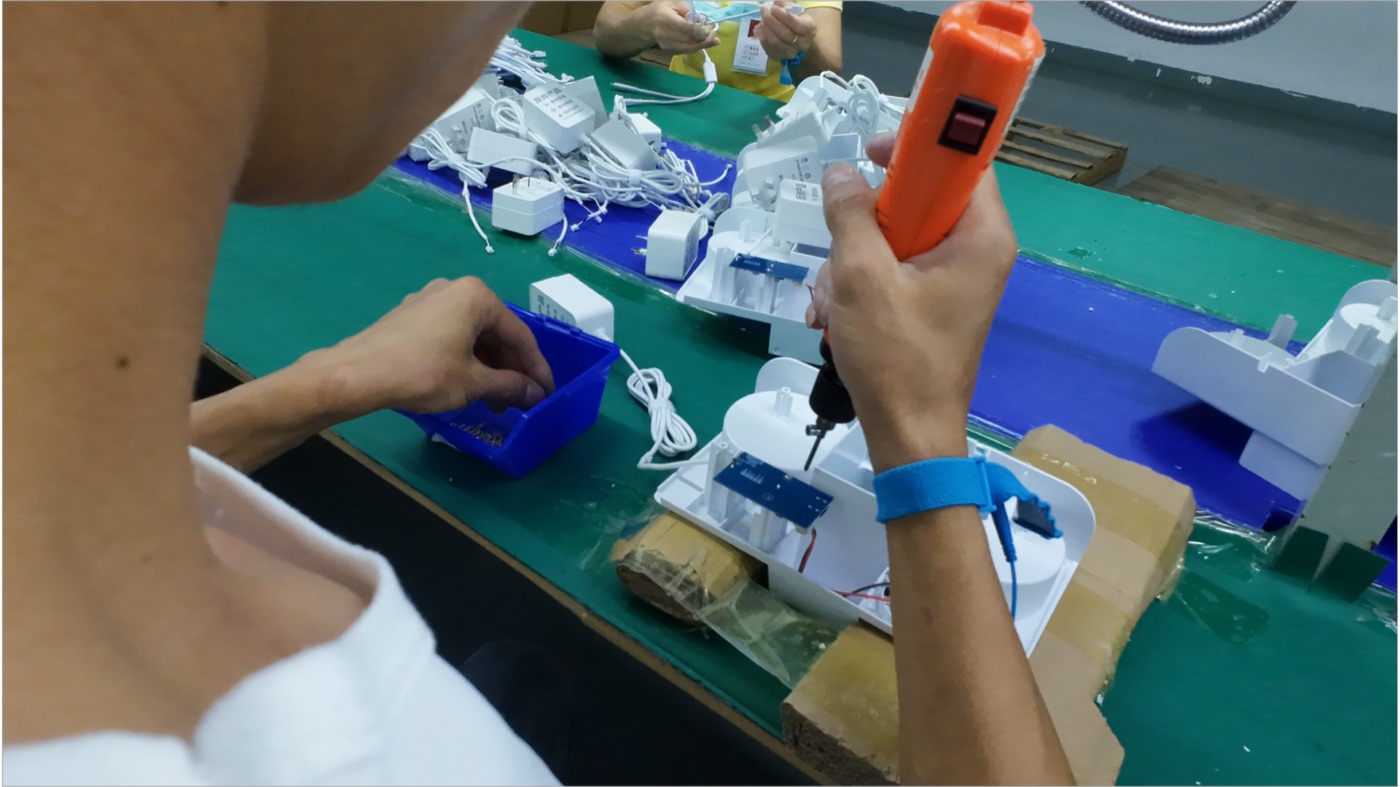

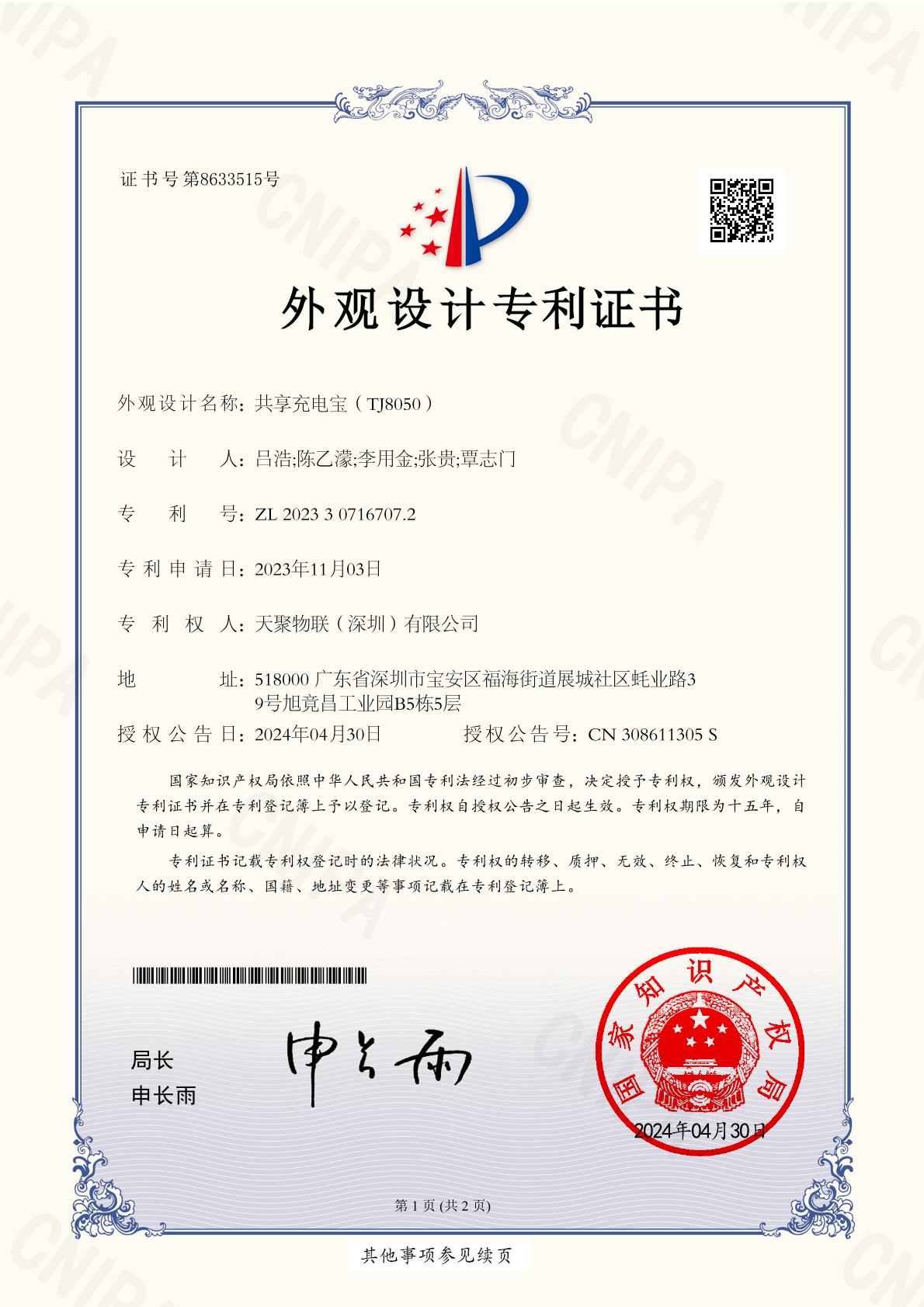
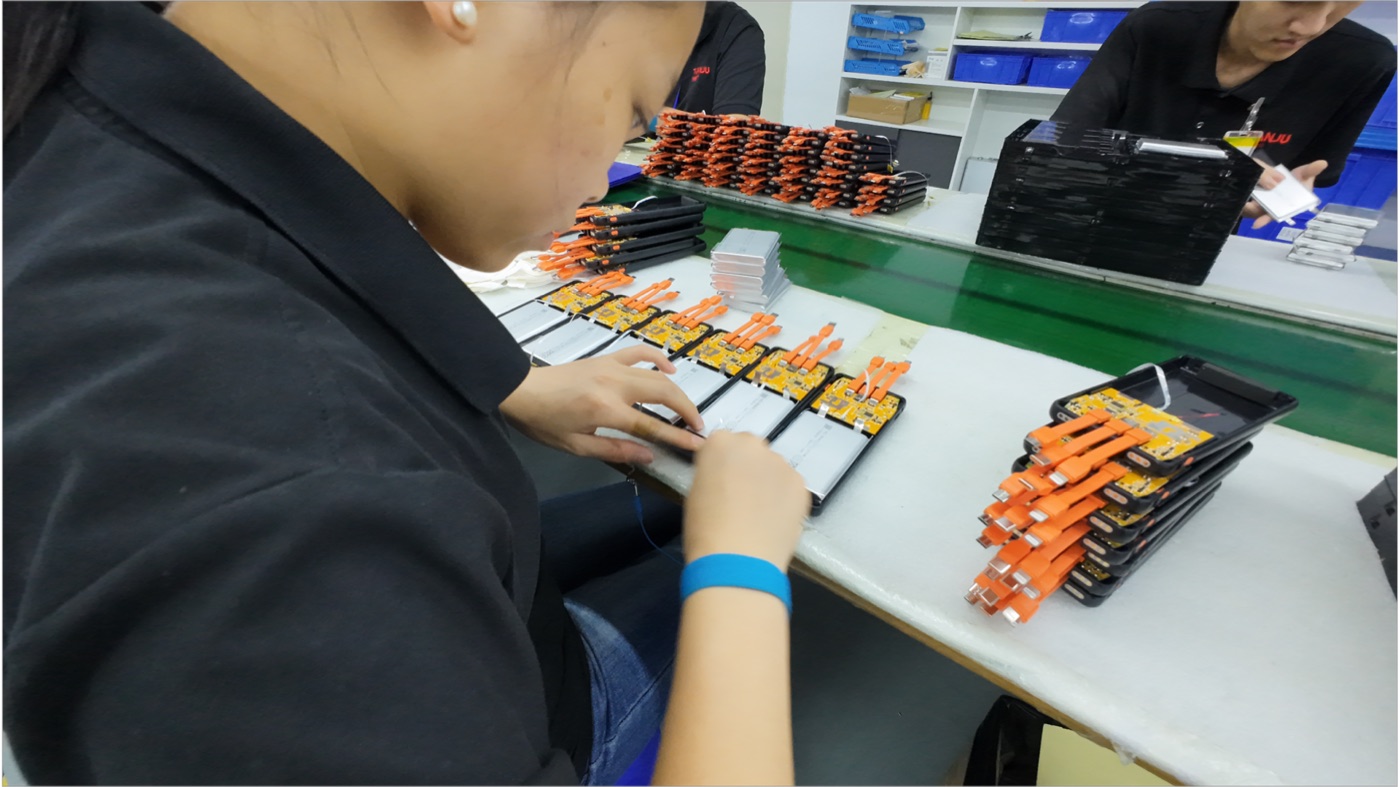
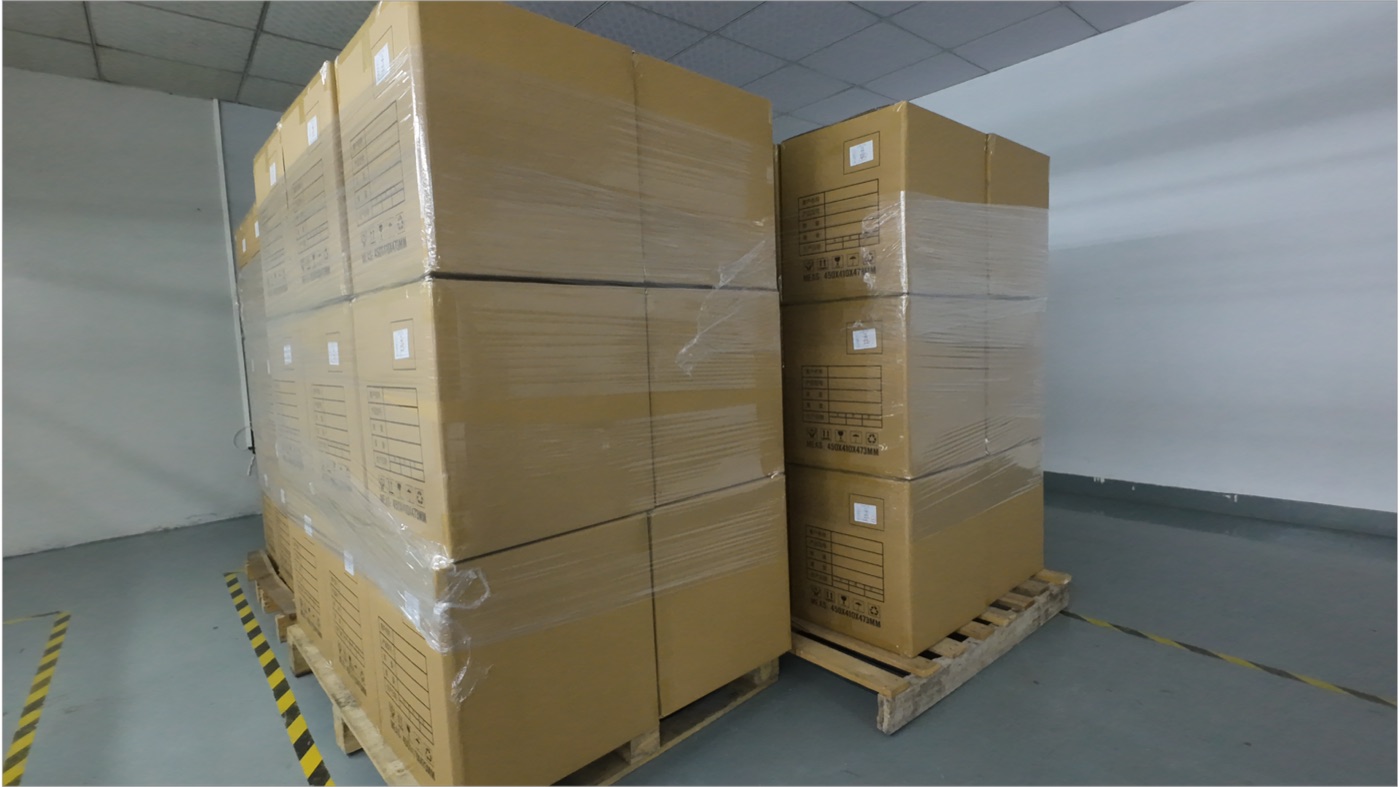
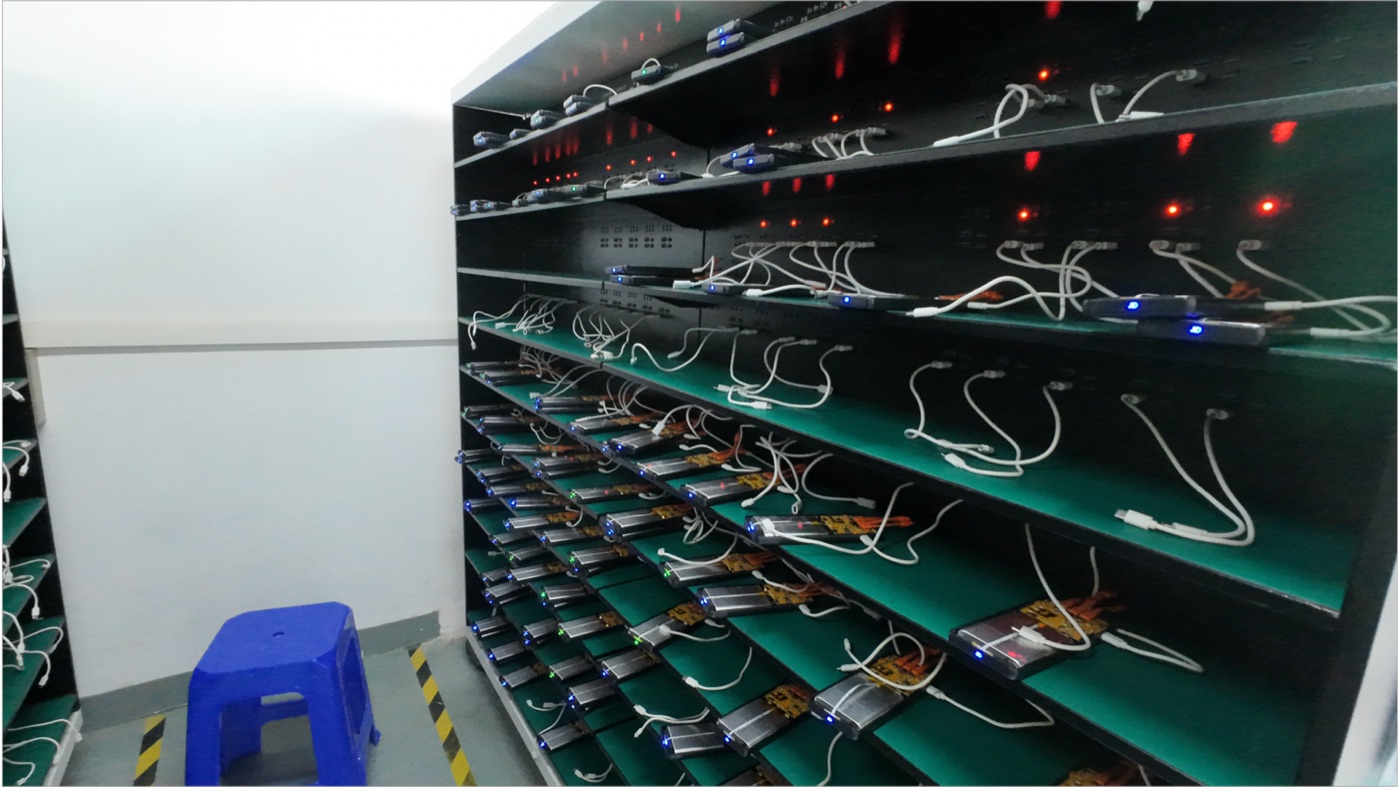
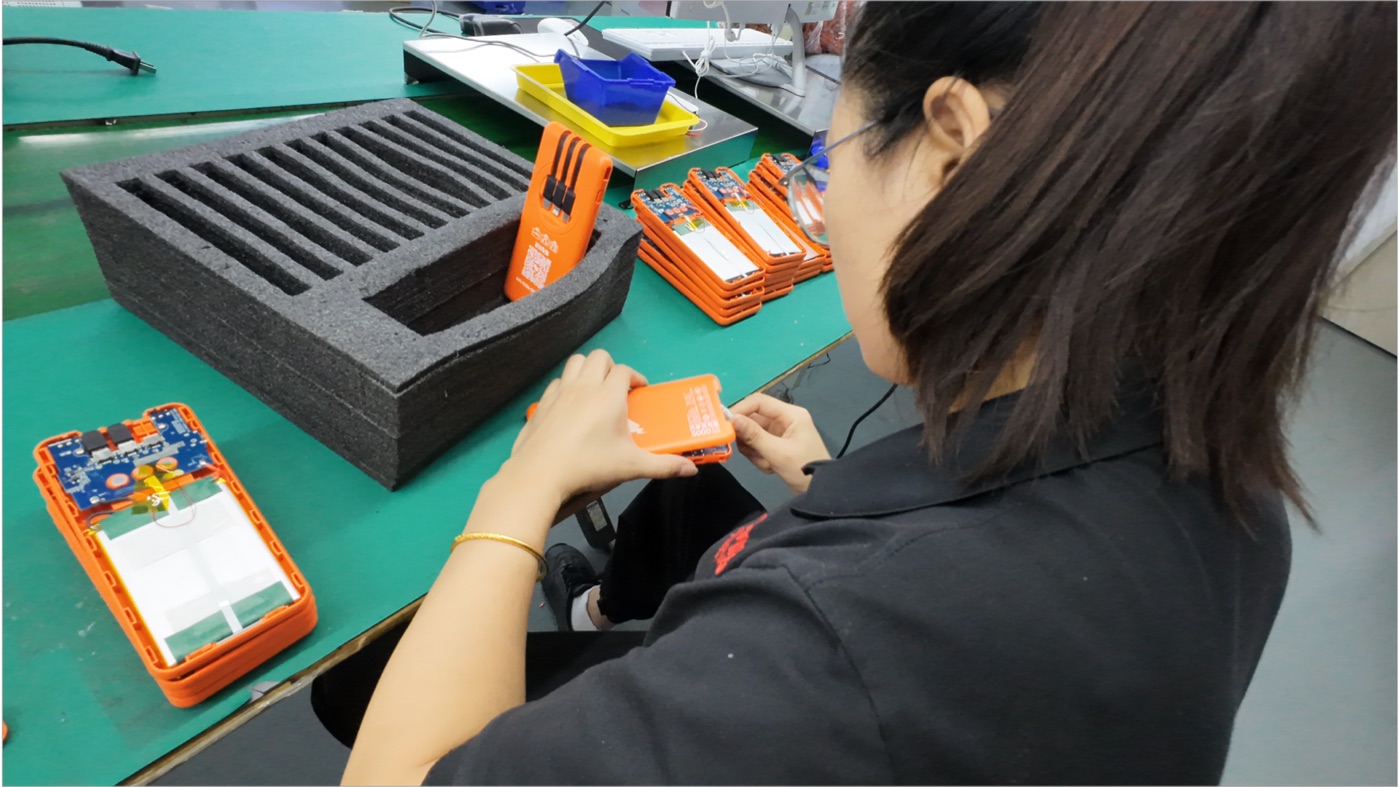
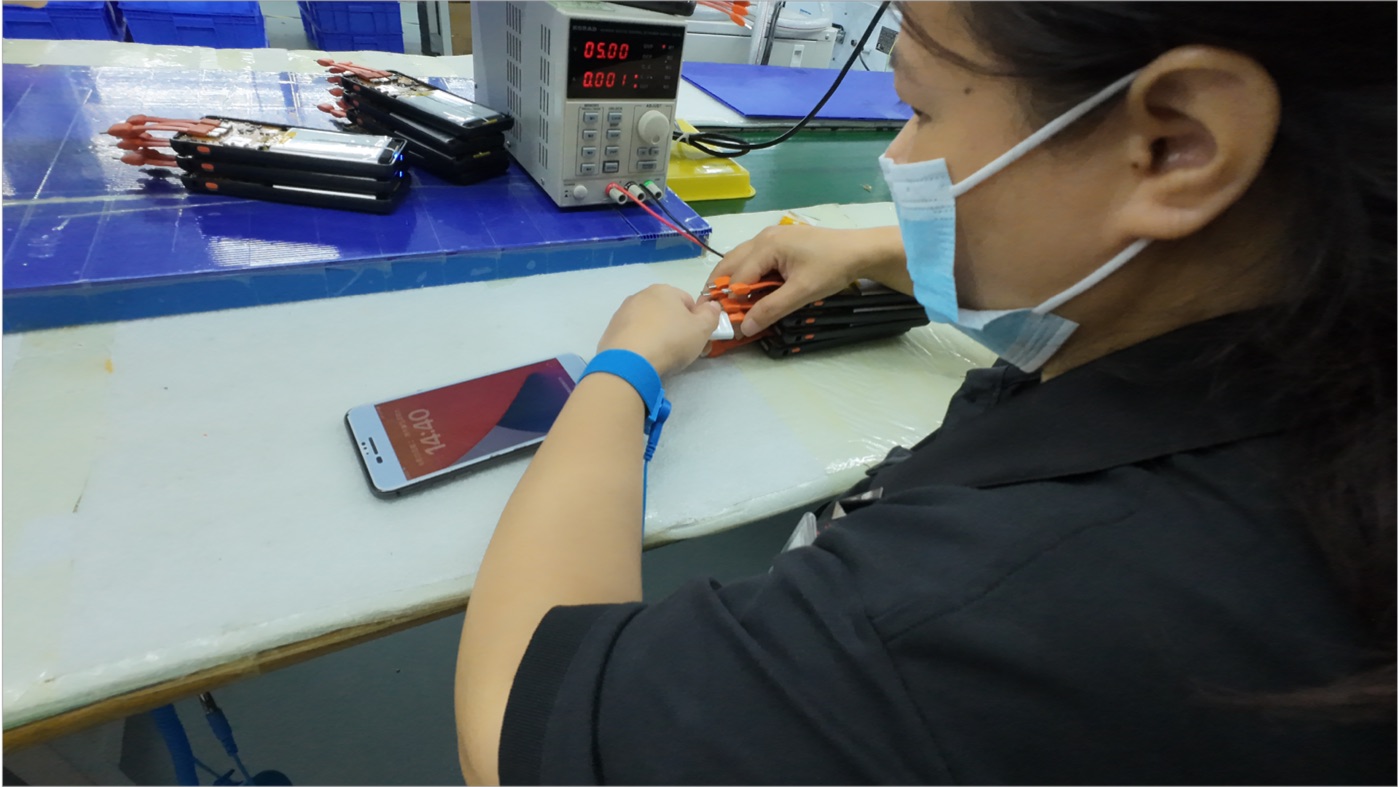
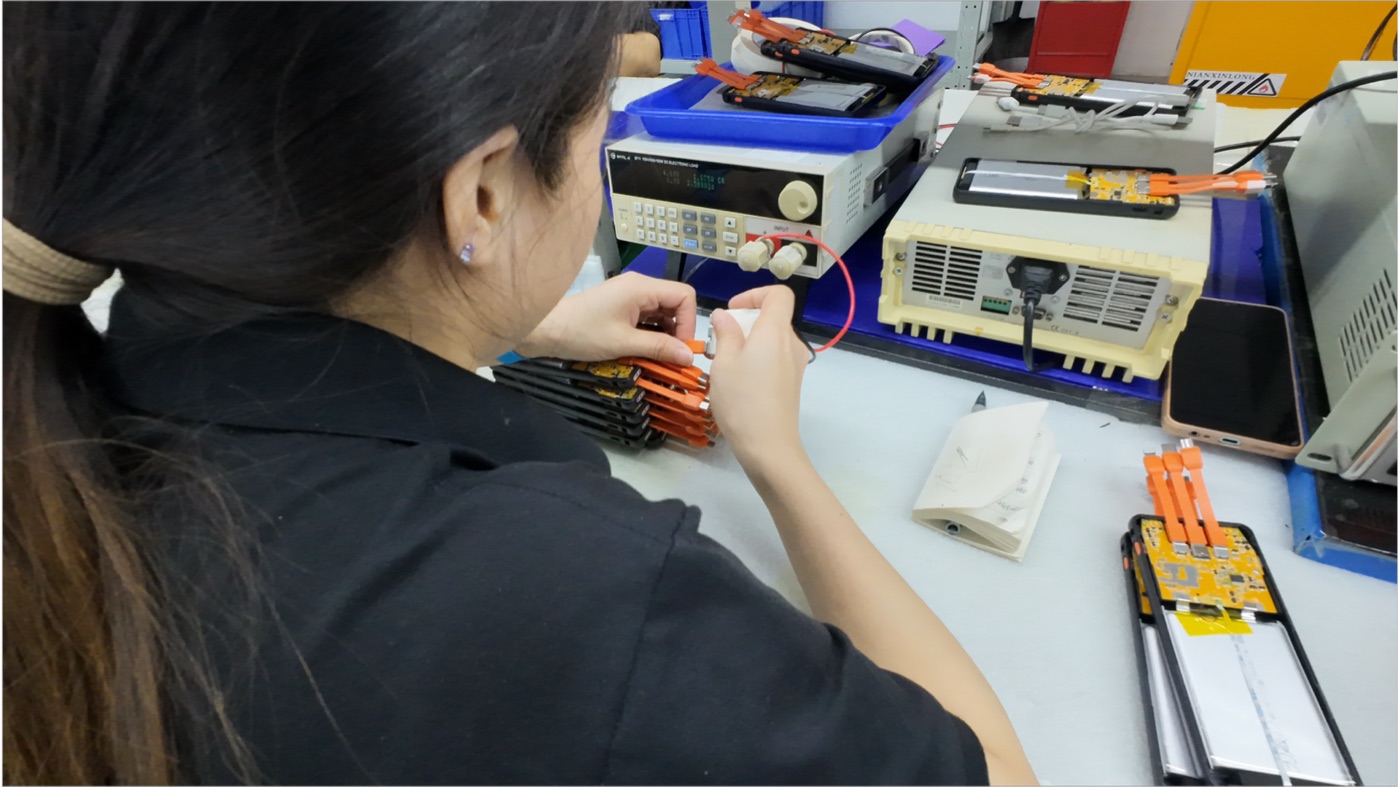
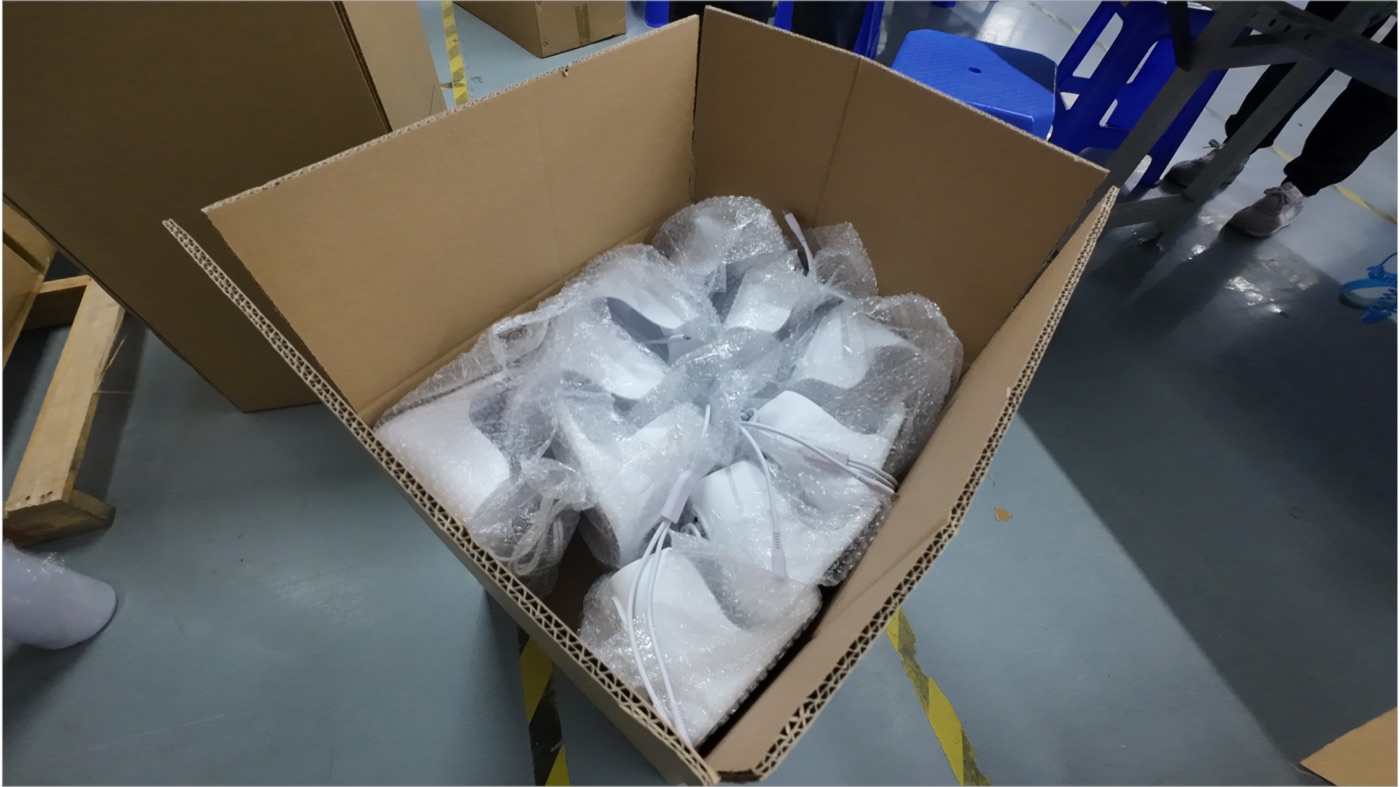
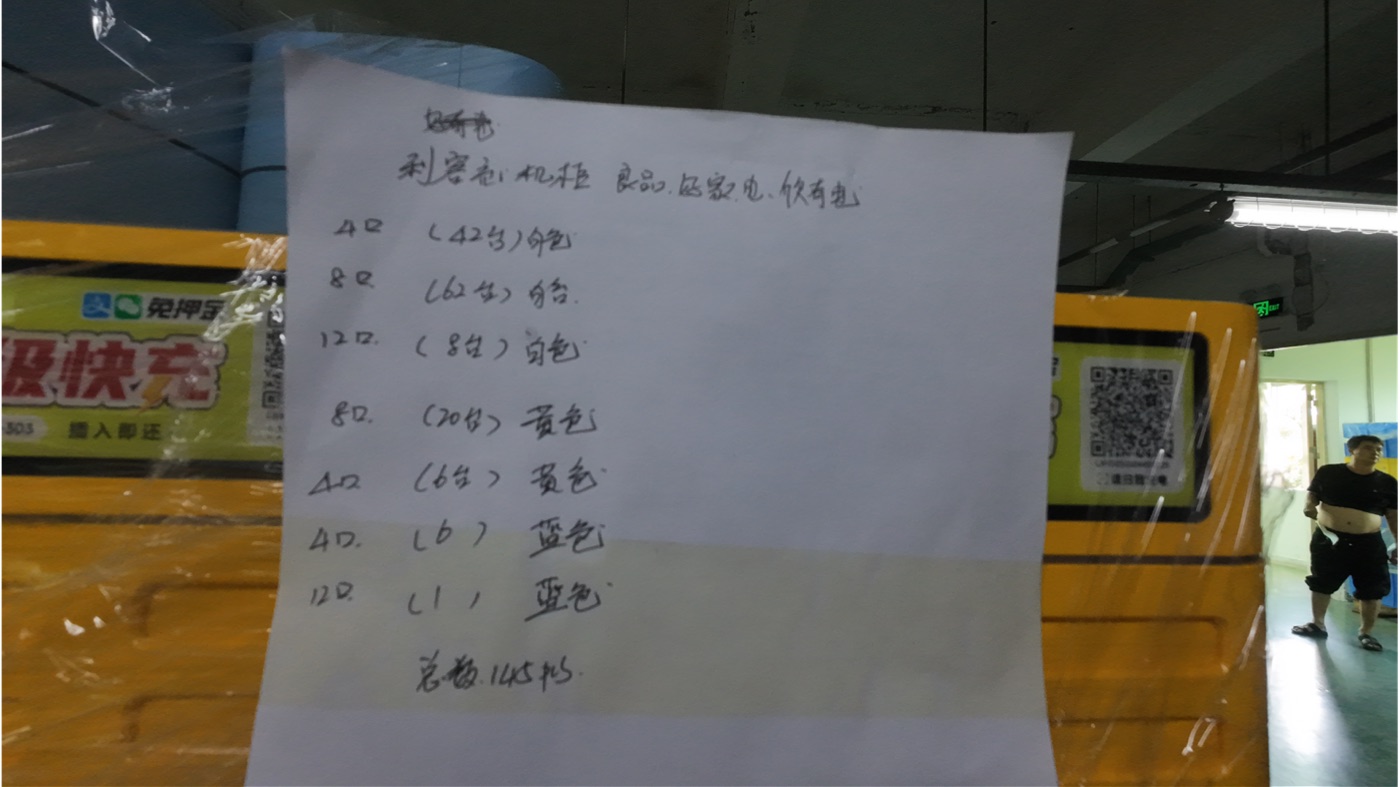
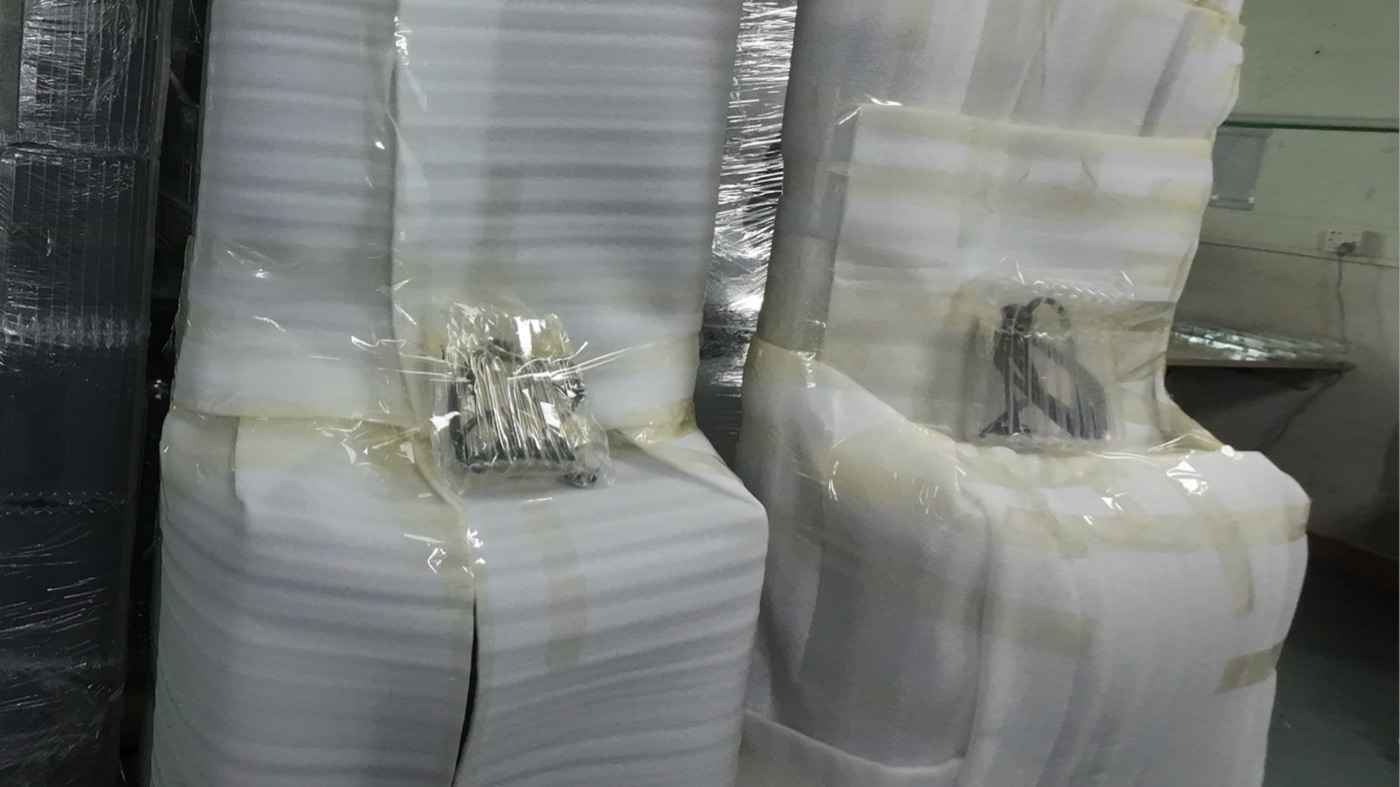
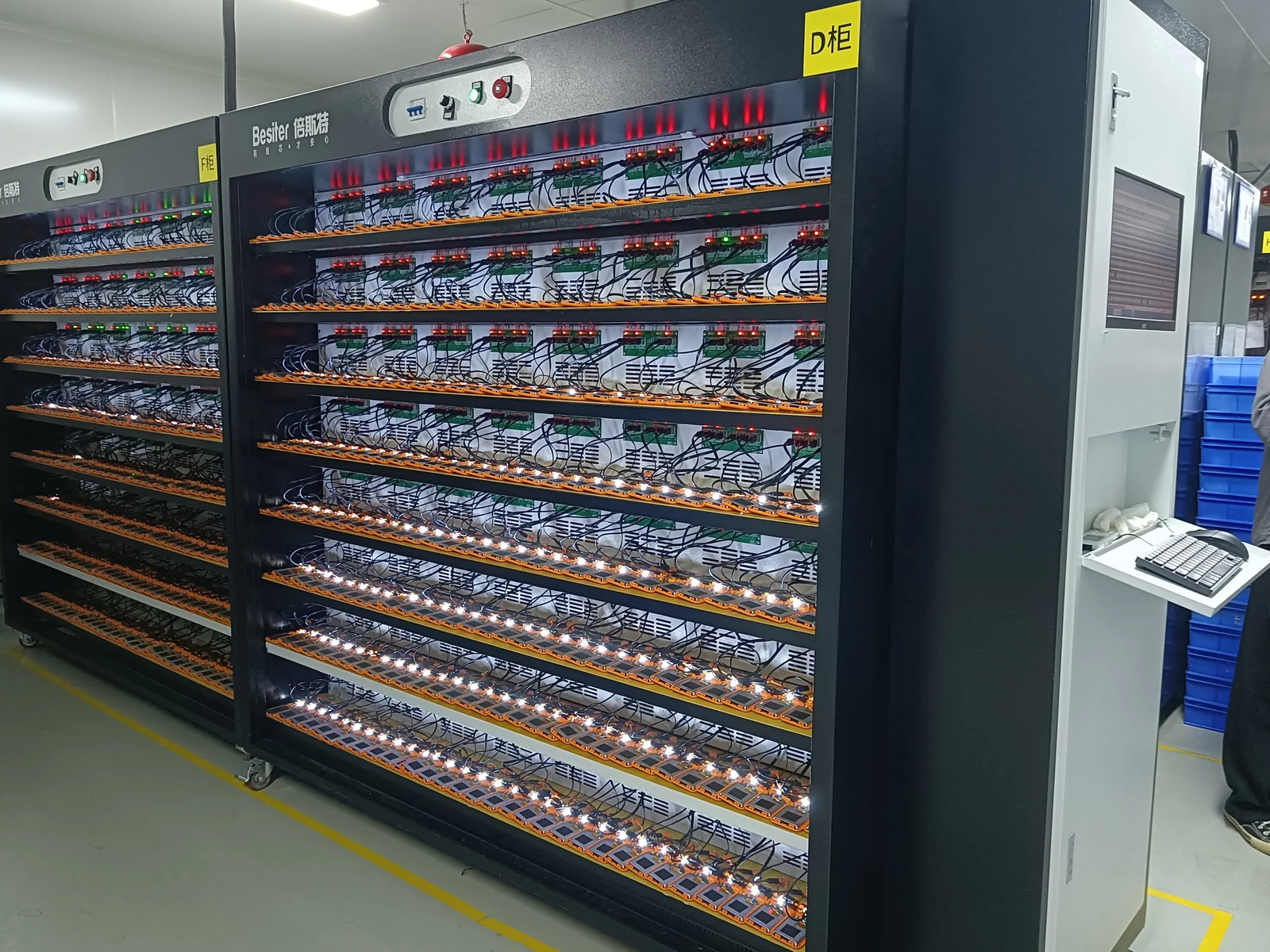
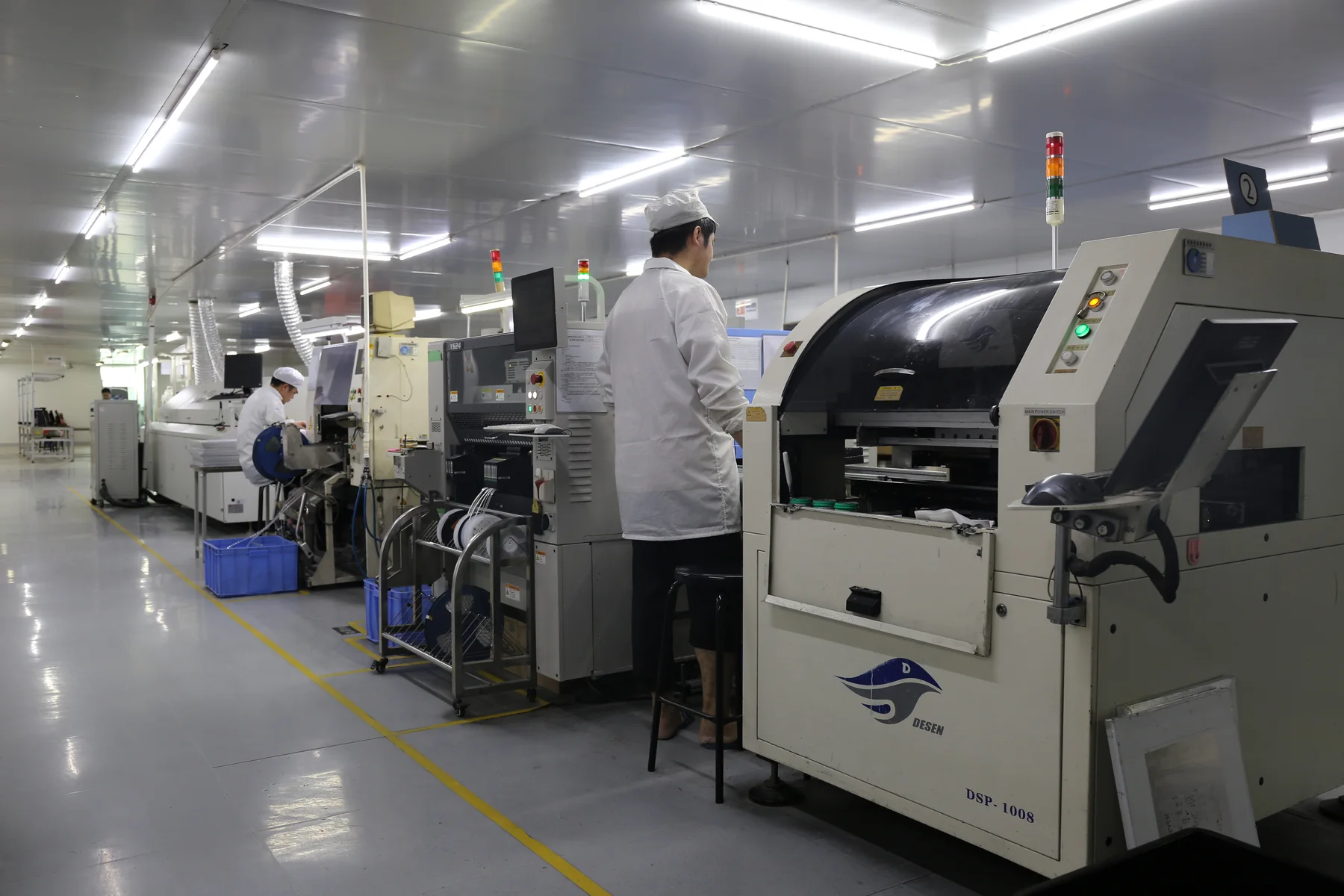
Factory B source materials show the production environment, assembly and test processes, enclosure manufacturing and finished cabinets. Document previews below apply only to the exact models listed.
Factory campus
Production lines
Test and aging
Model documents


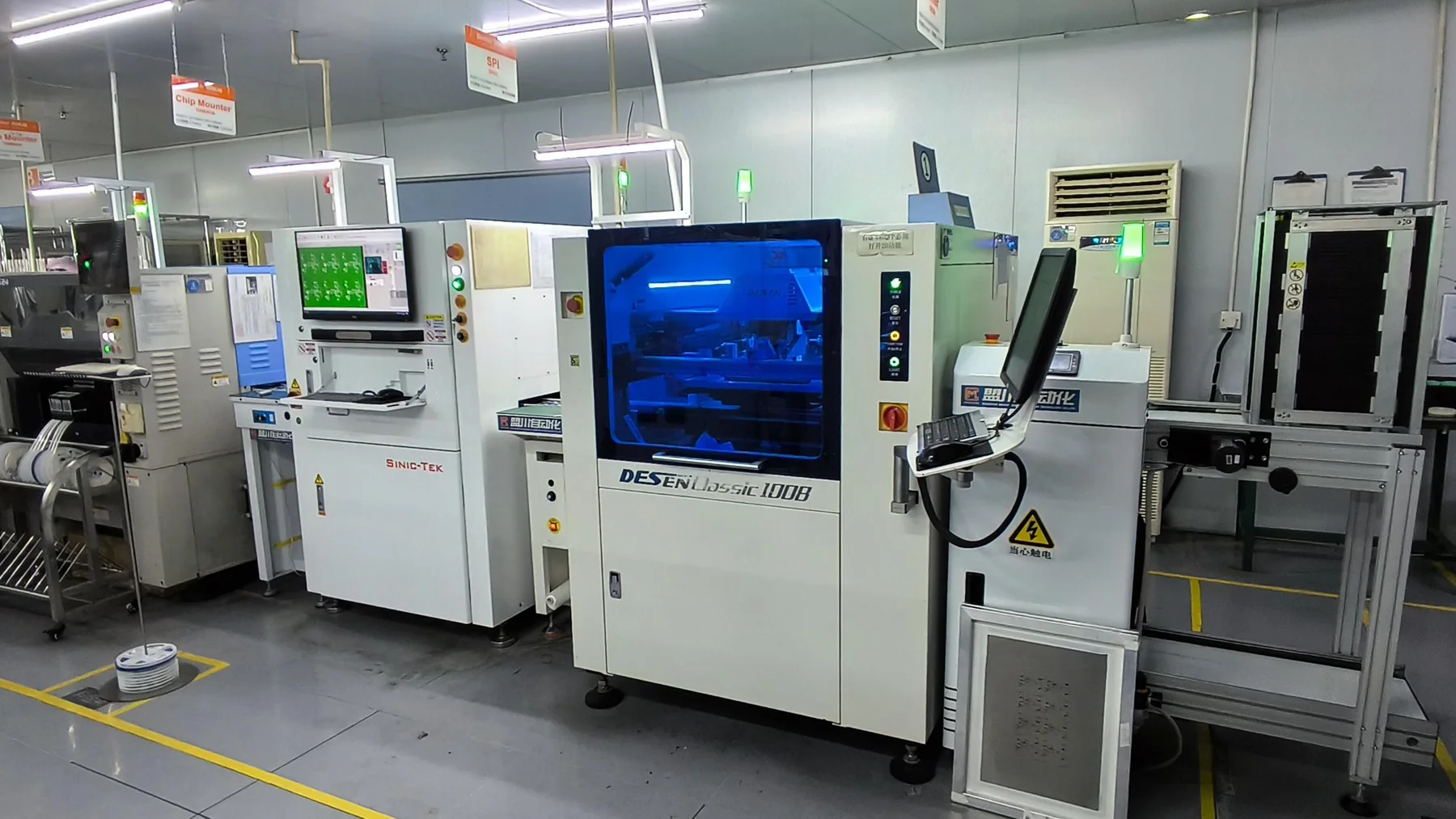
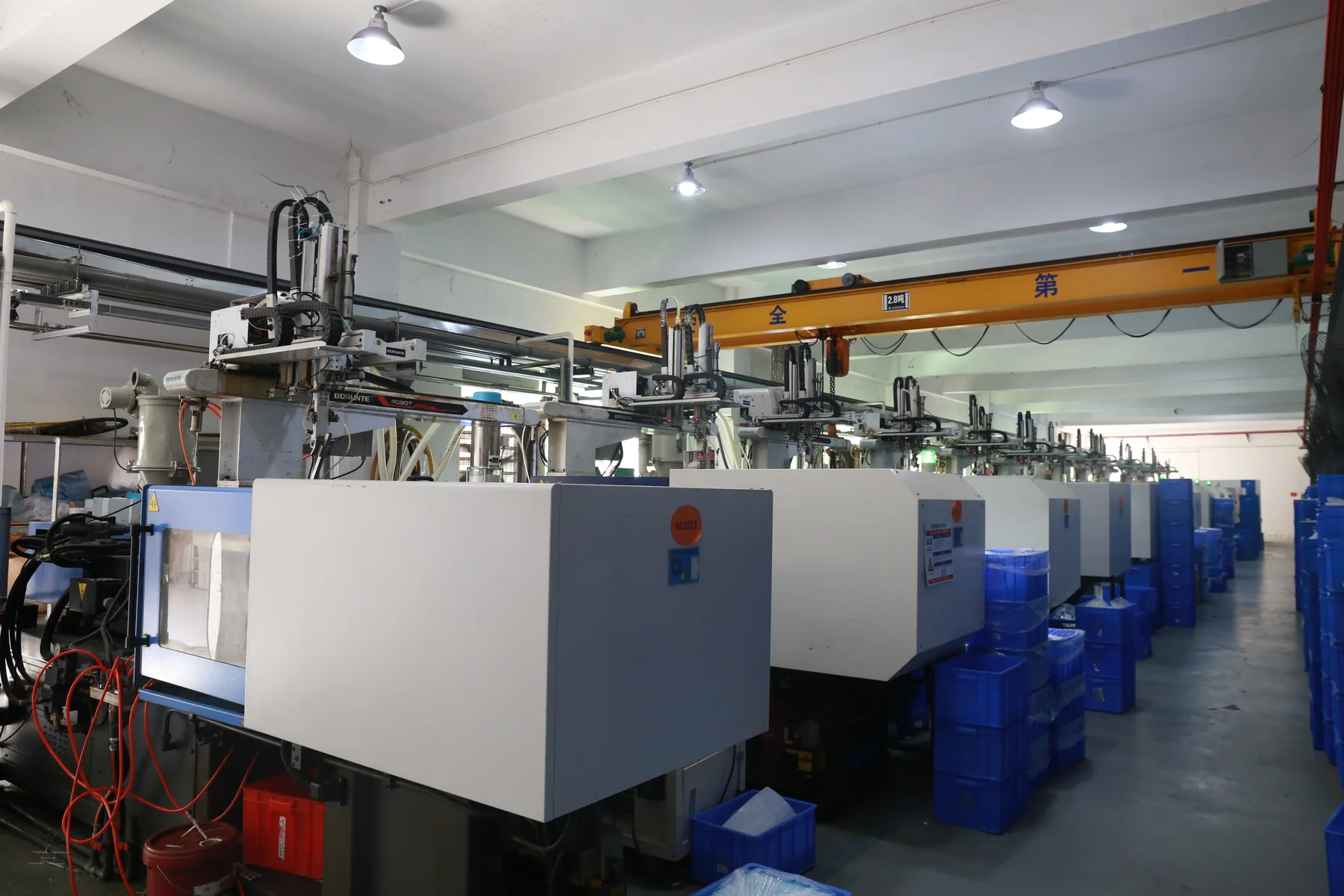
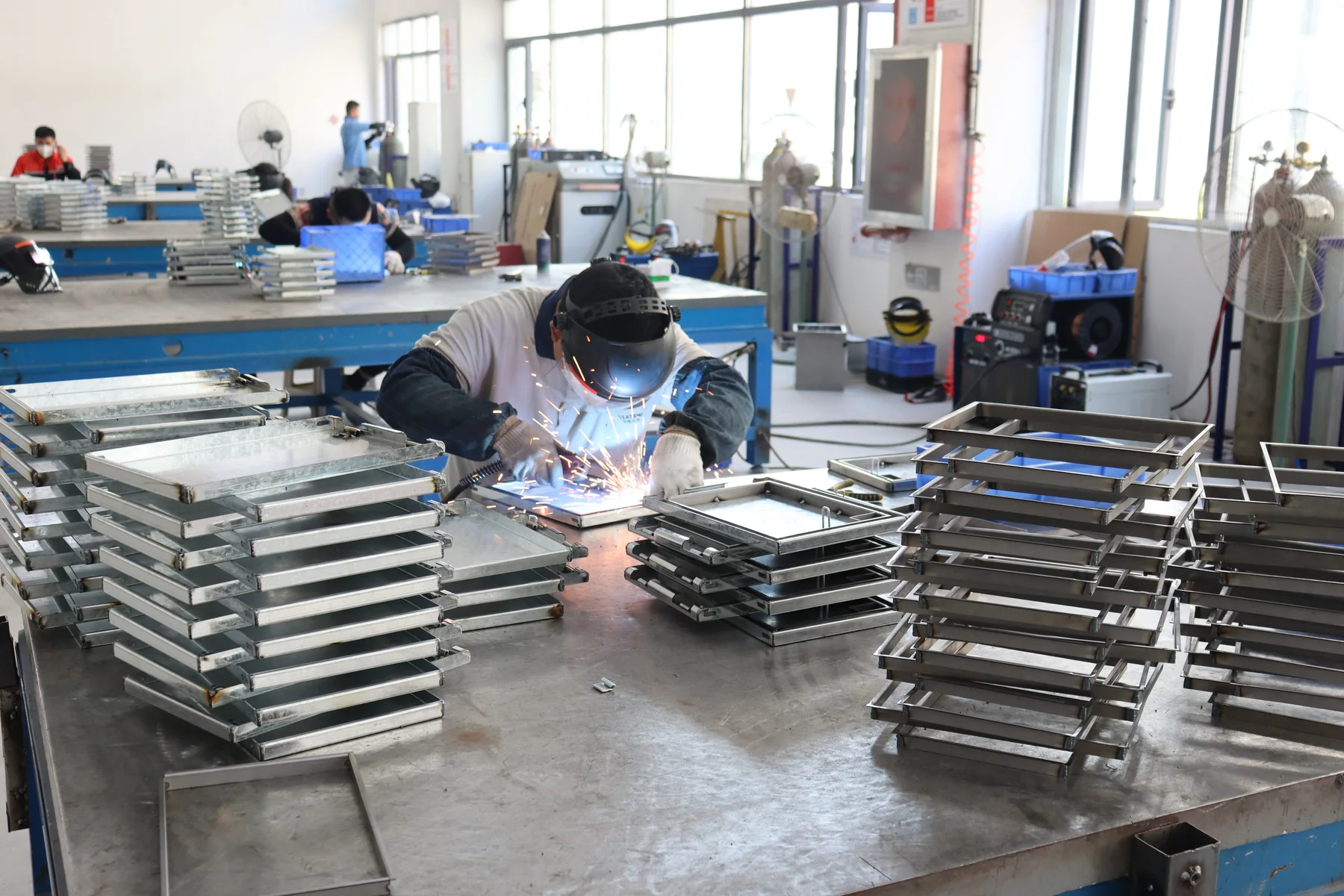
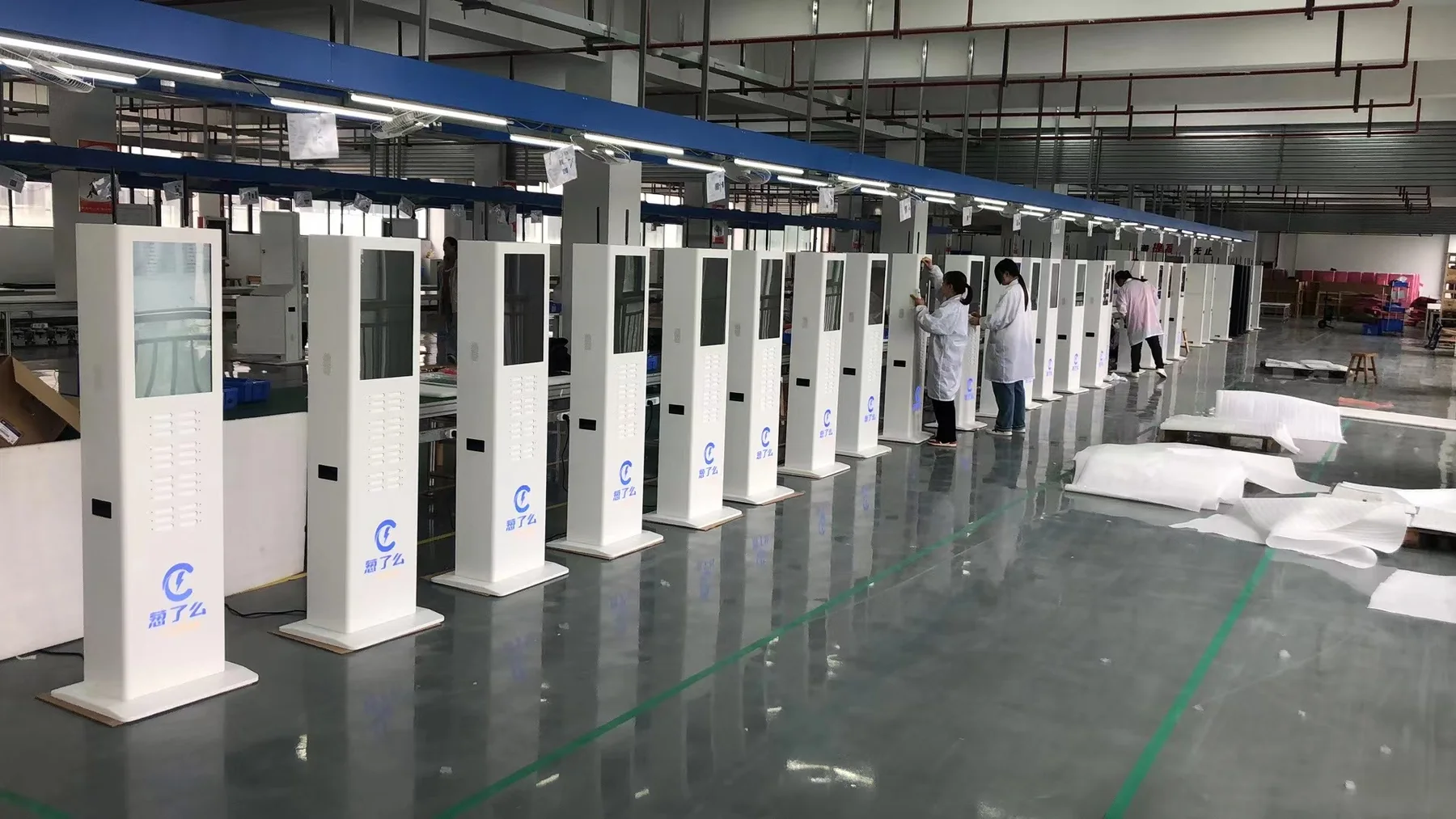
Model document previews
Check The Exact Model Before Procurement.
These previews identify specific document numbers, models and issue dates. Applicability must be confirmed against the shipped model, configuration and destination market.
Scope note: these records do not certify every Factory B product or every destination market. Confirm the exact SKU, radio/battery configuration, importer and current market requirements before ordering.
Buyer Procurement Kit
Procurement Details Buyers Need Before The First Batch.
Turn sample policy, MOQ, lead time, warranty, payment and localization into a clear launch checklist. Final numbers can be swapped in once your official policies are confirmed.
The buyer should understand how to start small, which proof materials are available, and what can change when they move from SaaS trial to private deployment.
01Sample / pilot scope
02Gateway and currency check
03Warranty and support handover
04Own-brand migration path
Define sample units, station type and whether SaaS alliance-brand trial is included.
Show entry batch, expansion batch and city rollout thresholds instead of one vague minimum.
Separate sample preparation, software configuration, production and shipment windows.
Clarify station, battery and cable support, replacement rules and remote operator training.
Confirm Stripe, PayPal, Apple Pay, Google Pay, local wallets and settlement currency by market.
Plan language, domain, pricing, tax text, receipts and merchant or agent permission rules.
Latest News
CoreCharge Cloud Updates For Overseas Shared Power Bank Operators.
Follow platform, product, factory, payment and market launch updates from CoreCharge Cloud.
Jul
01
2026
Platform Update
CoreCharge Cloud 2.0 Website Finalized For Overseas Shared Power Bank SaaS Launch.
The 2.0 website brings SaaS platform positioning, recommended pilot packages, product matrix, factory proof, rental UI examples and contact paths into one public launch system for overseas operators.
Read NewsSaaS platformClear overseas operator path
Product matrixPilot and expansion devices
Trust proofFactory, compliance and delivery material
Questions Overseas Operators Ask Before Launch.
A practical FAQ for buyers comparing SaaS platforms, hardware suppliers, payment readiness, certification support and pilot launch risk.
Why choose an open shared-device SaaS platform?
CoreCharge Cloud is not locked to one factory. Operators can connect compatible shared power bank and shared-device hardware from different manufacturers, then manage devices, orders, pricing, roles and settlement in one platform.
What makes the SaaS system mature enough for real operations?
The system has been refined through real shared-device operations, including pricing rules, agent networks, revenue sharing, promotions, device monitoring and merchant management. Overseas teams can start from a platform that already reflects complex operating scenarios.
Can I manage agents, merchants and investors separately?
Yes. The platform supports platform admin, brand operator, agent, sub-agent, merchant, referrer and investor roles. Each role can view only its own devices, orders, balances, revenue and settlement records.
How should local payment routes, languages and currencies be evaluated?
CoreCharge Cloud can evaluate a market-specific payment route for each project. Final availability depends on merchant onboarding and KYC, live account configuration, transaction and refund callback testing, and settlement verification with the selected provider. Rental pages, pricing, currency and time zone can then be configured for the approved project scope.
How should a shared power bank launch be planned overseas?
Do not use one fixed plan for every market. A launch plan should consider country, payment habits, user behavior, venue density, device format, SaaS setup, factory supply, samples, certification, shipping, customs, local channels and after-sales support.
How should a first-time operator start?
Start with a pilot package instead of a large one-time purchase. Choose a controlled mix of 6-slot, 8-slot, 12-slot, larger stations or POS-ready models according to payment habits and venue scenarios, then scale based on real usage data.
Can you help with certification and customs documents?
Partner factories can provide standard certification and export materials, and we can assist with invoices, packing lists, product information and customs documents. Country-specific mandatory certification may need to be handled by the local importer while we provide document and technical support.
How do you reduce risk around hardware quality, software stability and settlement?
Operators can review samples, factory materials and device details before deployment. The SaaS platform uses modular service architecture, can be deployed for overseas operation, and gives brand owners, agents, merchants and partners clear settlement records.
Why not just buy devices from a factory or use cheap software?
A hardware-only supplier may not solve payments, localization, multi-role settlement or long-term operations. Cheap software can create higher risk when payment integrations, overseas deployment, architecture and hardware compatibility are weak. CoreCharge Cloud combines hardware choice with a scalable SaaS operating layer.
Do you have overseas deployment experience?
Yes. The shared-device SaaS platform has supported deployments across markets including Southeast Asia, Europe and Latin America, with multi-language, multi-currency, local payment and large-device operation experience.
Plan Your Overseas Shared Power Bank Launch.
Tell us your target market, pilot size, payment method and whether you want SaaS trial, own-brand upgrade or private deployment.
China contact
+86 177 6656 8184
WeChat ID: 17766568184
Scan the QR code to add WeChat.