
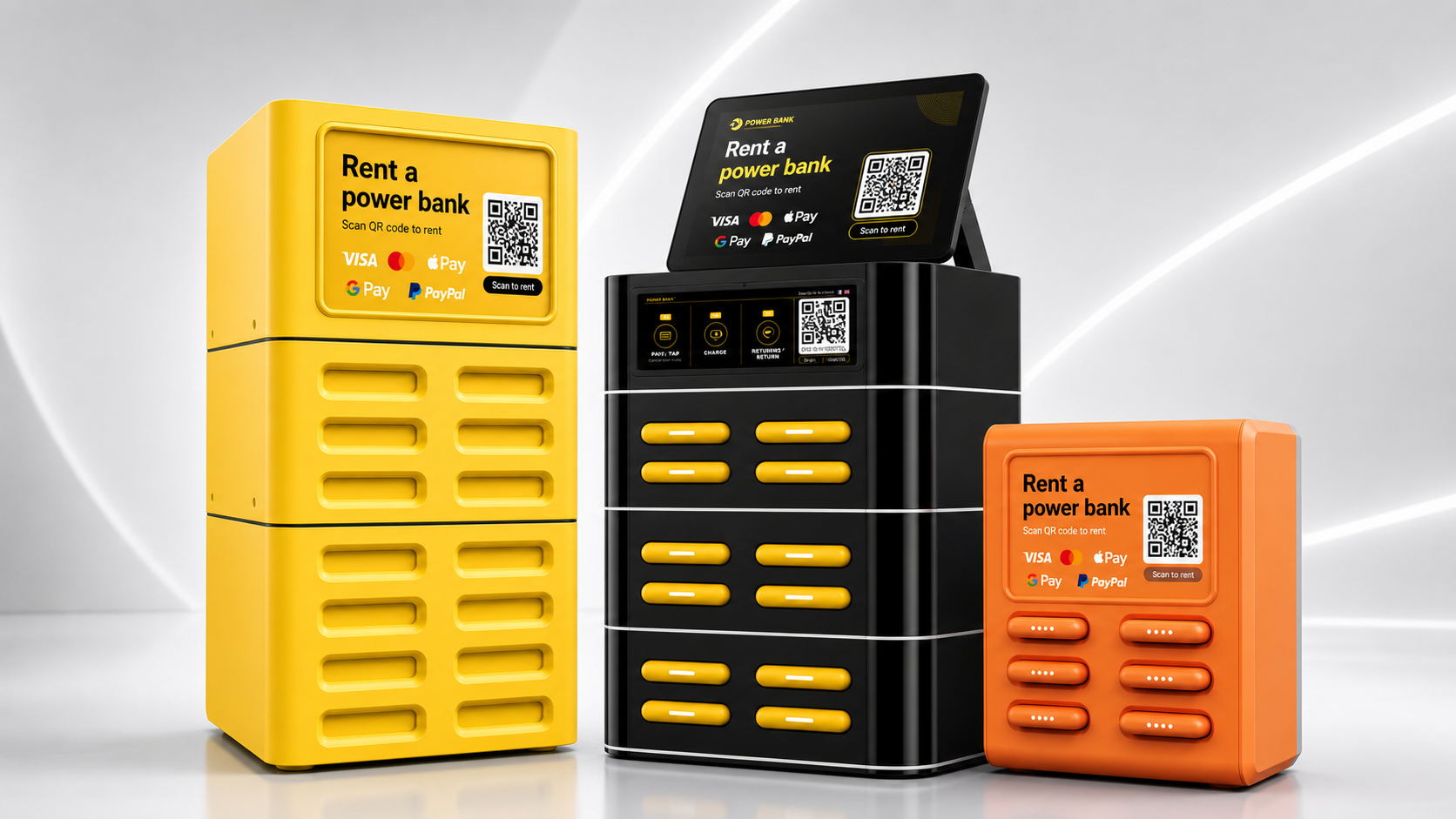
A shared power bank business should start from a controlled pilot, not from guessing inventory. The first goal is to learn whether venues accept the stations, whether users complete the rental flow and whether the operator can manage payments, returns and support.
For a global B2B operating scope, review the shared power bank rental system software for overseas operators. For Singapore-specific demand testing, use the Power Bank Rental System in Singapore page. For package sizing, review the pilot package guide.
What CoreCharge Cloud contributes to the first launch
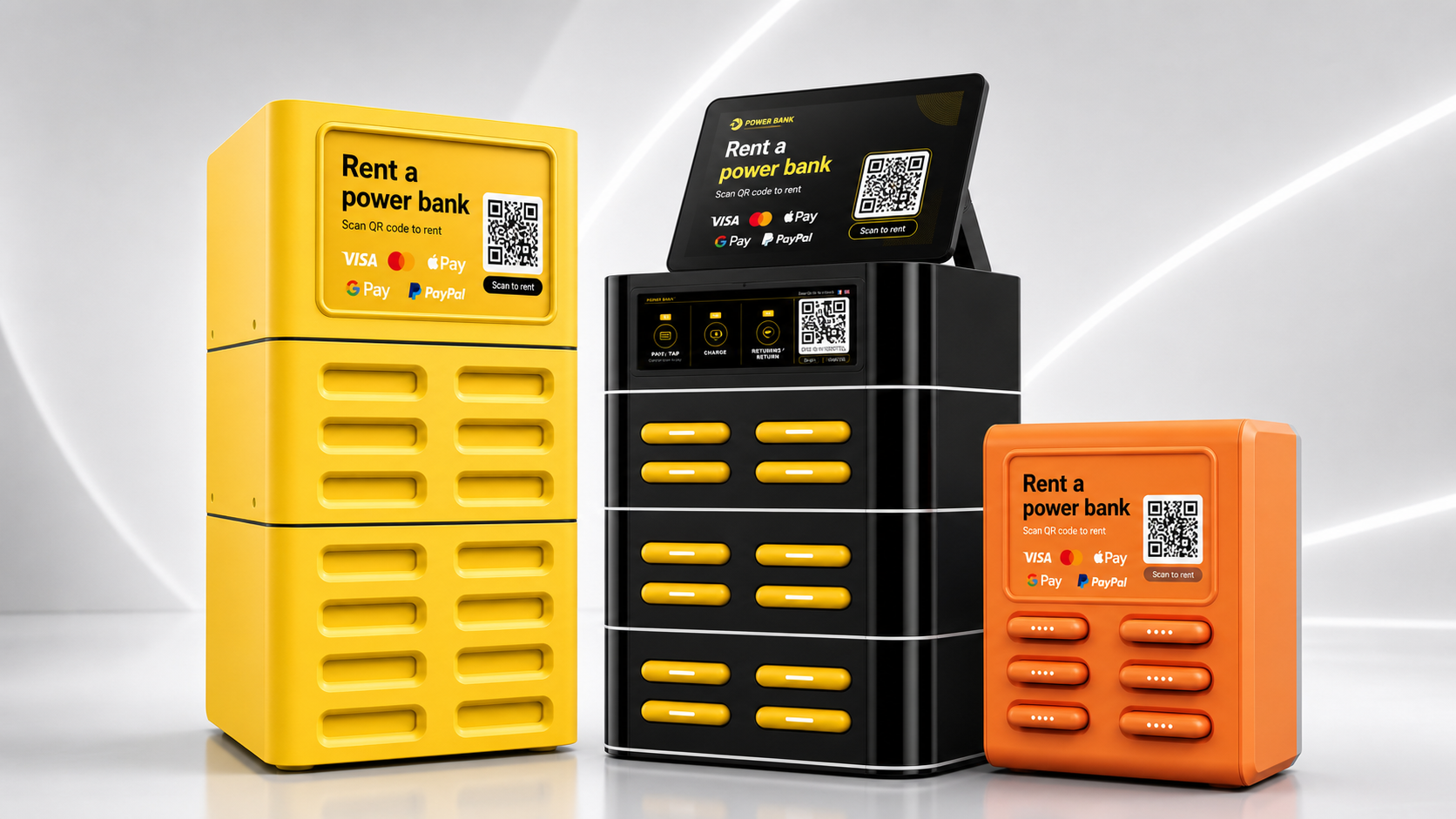
CoreCharge Cloud helps buyers turn a shared power bank idea into an operating checklist: station mix, SaaS setup, H5/App rental path, payment/refund questions, dashboard roles, merchant or agent structure and the evidence needed to decide whether to expand.
The platform does not decide venue access, payment approval or legal readiness for the buyer. Those items should be reviewed locally before a pilot is treated as ready for public traffic.
Step 1: choose the first market boundary
Pick a clear city, district or venue cluster. A vague market plan makes hardware quantity hard to judge. For example, a small cafe and bar network needs different station formats than a transport or event-heavy launch.
Operators can review public business-support sources such as Enterprise Singapore for general market preparation, and public payment references such as the Monetary Authority of Singapore SGQR page when preparing payment questions. Local execution still depends on venues, payment providers and operating partners.
Step 2: choose station quantity by learning goal
The first batch should answer a practical question:
- 10-20 stations: can this market complete rental and return behavior?
- 30-50 stations: which venue types perform better?
- 50+ stations: can an agent or distributor structure manage multiple merchants?
Avoid treating station quantity as a status symbol. A small pilot with clean data is more useful than a large rollout with unclear support and payment rules. Use the shared power bank station slot selection guide to compare capacity, return-space reserve and servicing before choosing an exact model.
Step 3: plan venue support
Venues need simple guidance: where the station sits, who answers user questions, how abnormal returns are handled and when the operator checks device status. The venue deployment checklist gives a more detailed placement workflow.
Step 4: prepare payments and refunds
Payment setup should be reviewed before shipment or public launch. Users need a clear rental rule, authorization or deposit logic where applicable, return path and support route. Operators can read the payment and refund setup guide before deciding provider questions.
Step 5: check software operations
The SaaS should show device status, orders, refunds, merchant reports, agent reports and offline alerts. If the software cannot help the operator react quickly, the hardware network becomes harder to manage.
The software features guide explains what to review in the dashboard. The field-level agent dashboard and reconciliation guide maps station, inventory, order, payment, refund and support states to an owner and source event.
Step 6: request a pilot launch plan
When asking for a plan, send target market, station quantity range, venue type, payment method, branding needs, H5/App preference and expected timing. This helps CoreCharge Cloud discuss SaaS flow, hardware mix and operating steps around your actual launch path.
Questions that make the plan more useful
A stronger inquiry explains who will operate the stations, who will support venues, whether the launch is a small brand-owned pilot or an agent model, which payment methods are preferred and whether OEM/ODM branding is needed immediately or after pilot data.
FAQ
What should a new shared power bank operator decide first?
Decide the target city, venue type, estimated station quantity, payment path, support owner and dashboard access before buying a large batch.
Is a starter guide the same as a revenue forecast?
No. It is an operating preparation guide and does not promise revenue, ROI or payback period.