
An aging test is useful only when the buyer can identify what was tested, how it was tested and whether the result applies to the ordered batch. This guide helps operators and procurement teams define evidence for power banks, charging stations and the complete rental flow before shipment.
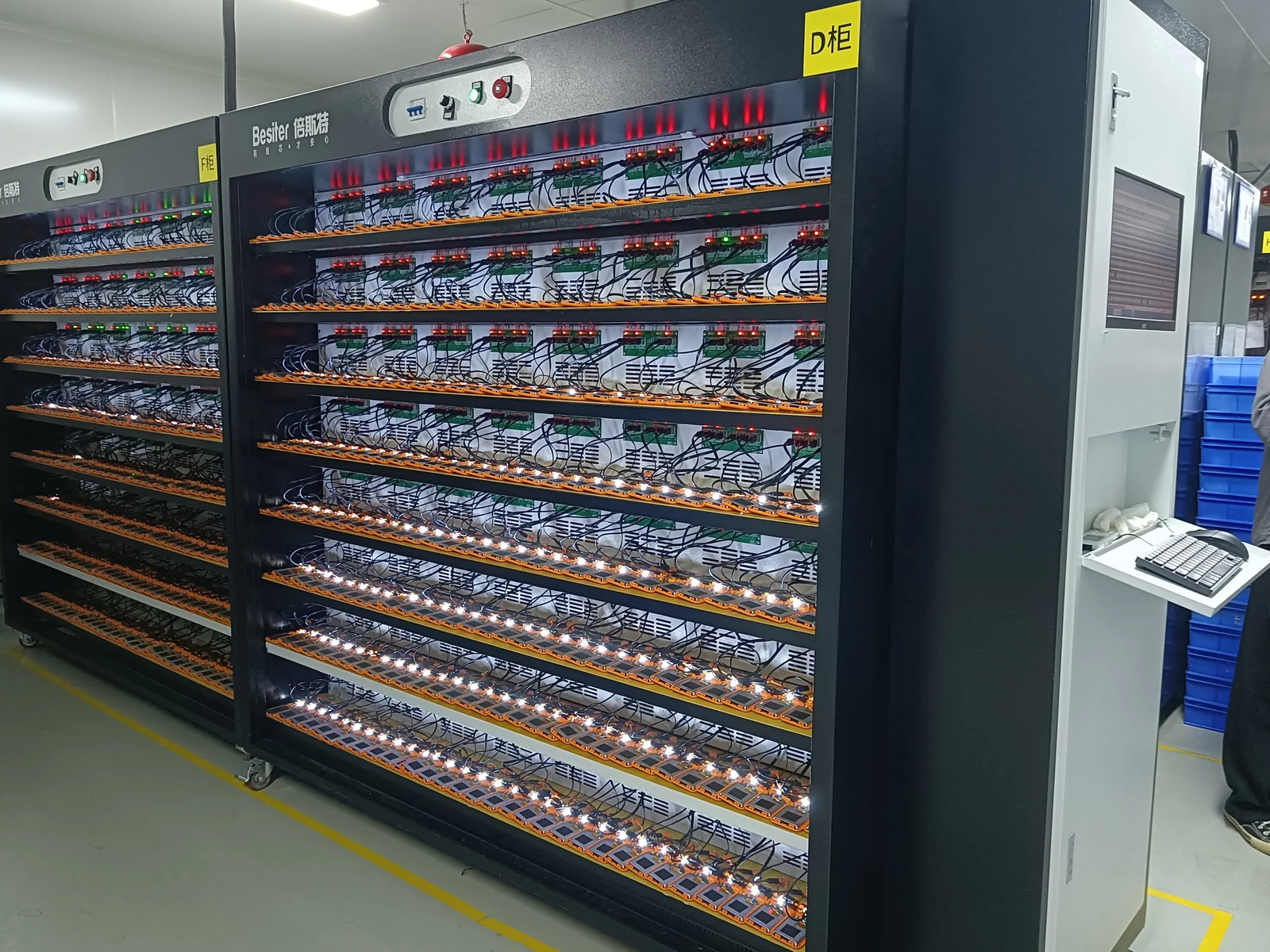
The Factory B evidence section includes a visible rack with connected power banks as well as assembly and automated inspection equipment. The image shows a process environment. It does not state a test duration, cycle count, standard or PASS result, so those fields must come from the model-bound record.
1. Separate the test objects
Define whether the test applies to the battery cell, assembled power bank, station power system, slot mechanism, screen-equipped cabinet or complete rental system. Do not use one result to cover all objects.
2. Lock the sample identity
Record the model, configuration, batch and sample quantity. If the supplier uses a pilot unit, confirm that its battery, cable, radio and firmware configuration matches the shipment.
3. Define the evidence before testing
| Test area | Minimum record | Buyer concern |
|---|---|---|
| Power bank aging or cycling | Sample ID, method, duration or cycles, limits and measurements | Capacity, charging and repeatability |
| Station charging | Station SKU, slot map, current or voltage criteria and failures | All slots charge and report correctly |
| Eject and return | Repeated slot actions, acknowledgement and exception log | Mechanical reliability and traceable orders |
| Network or display | Firmware, connectivity option, online recovery and screen checks | Correct configuration for the market |
| Final inspection | Appearance, labels, accessories, packing and serial list | Shipment matches the approved sample |
4. Review failures, not only averages
Ask for failed samples, defect categories and disposition. Averages can hide a recurring failure in one slot, connector or batch. The record should show whether the item was scrapped, repaired or retested.
5. Connect hardware testing to rental testing
Run a local end-to-end pilot with the chosen station and power bank configuration. Record QR context, payment handoff, unlock acknowledgement, active rental, return and operator visibility. Hardware acceptance and software acceptance should share the same station and device identifiers.
6. Define pre-shipment acceptance
Agree on sampling, critical defects, retest rules and evidence delivery before shipment. Require a date and responsible reviewer. Preserve the record for later batches so configuration drift is visible.
Limitations
The public factory image does not establish a test standard or result. Requirements vary by cell, pack, power bank, station, transport configuration and destination market. Importer and product-safety responsibilities remain separate from the website evidence.
Combine this guide with the factory QA checklist and use the consultation form to send the exact station and power bank models for review.