

A useful factory QA checklist does not ask only whether a factory has an assembly line. It connects the ordered station and power bank model to the controls that happen before assembly, during functional testing, after aging or cycle testing, and before shipment. This page is for operators, agents and brand teams comparing a supplier before a pilot or rollout.
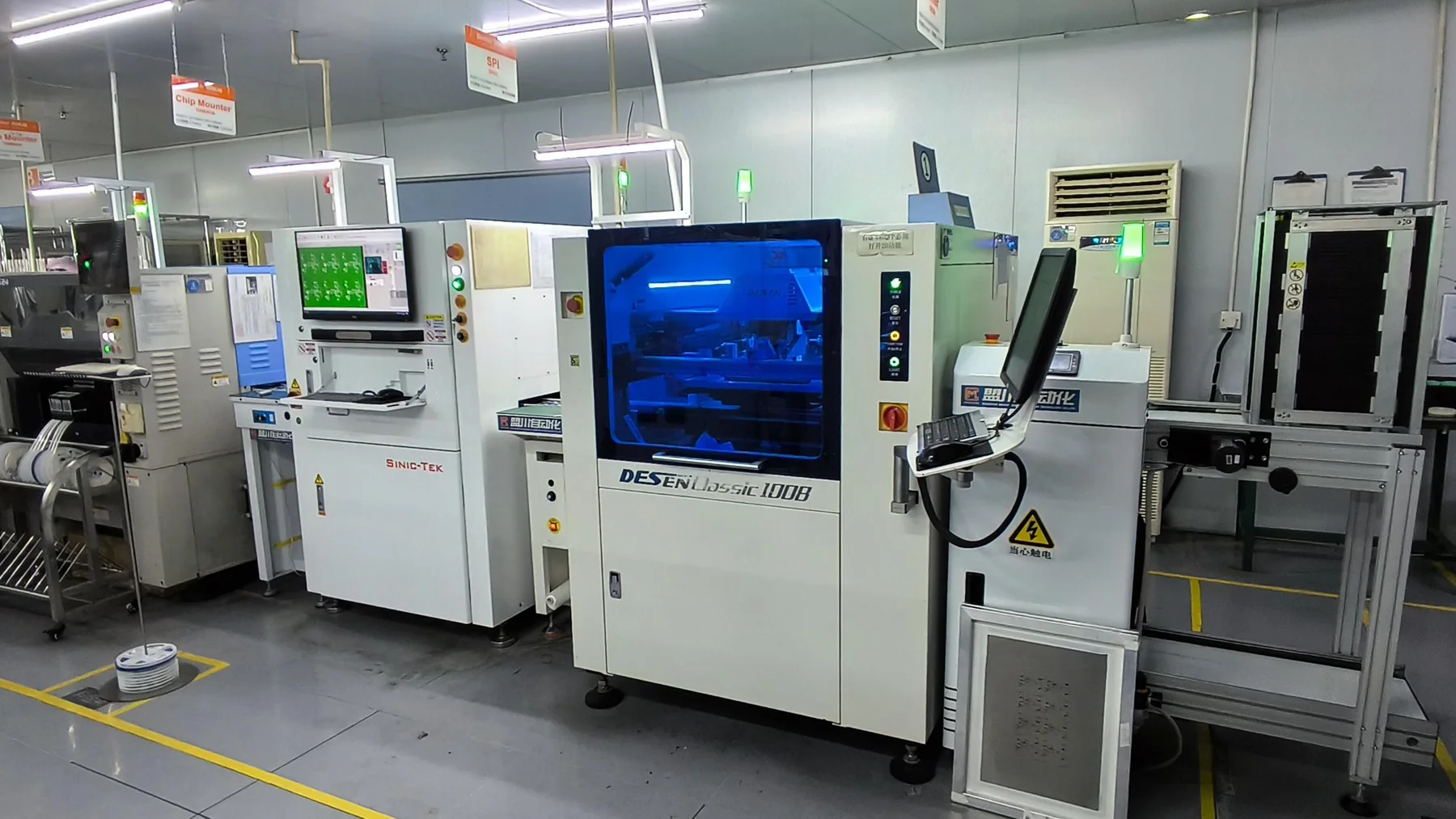
The Factory B evidence section shows a campus, assembly line, SMT equipment, automated inspection equipment, injection molding, sheet-metal work, aging racks and finished screen-equipped cabinets. Those images show visible processes only. They do not prove the duration, result or standard of a test for an unlisted model.
1. Lock the exact configuration
Write one configuration record before asking for QA evidence. Include the station SKU, slot count, power bank SKU, battery configuration, radio or connectivity option, screen configuration, plug or cable type, firmware version and packaging version. If the supplier changes any of these, record the change before acceptance.
2. Map each process to a record
Ask the supplier to identify where the ordered SKU enters each process and what record is created. A buyer should be able to follow the same unit or batch from incoming materials to packing.
| QA stage | Buyer evidence | Acceptance question |
|---|---|---|
| Incoming inspection | Component list, sample plan and nonconformance record | Are critical parts tied to the approved configuration? |
| Assembly | Work instruction and batch or serial trace | Can the finished station be traced to the assembly batch? |
| Functional test | Test steps, expected result and failed-unit handling | Are slot, charging, network and display functions checked? |
| Aging or cycle test | Test plan, duration, sample identity and result | Does the record apply to this power bank or station SKU? |
| Final inspection | Appearance, accessories, labels and firmware checks | Does the shipment match the approved sample? |
| Packing and shipment | Carton list, serial range and acceptance sign-off | Can the received shipment be reconciled to the order? |
3. Verify failure handling
Quality control is not only a PASS stamp. Ask how failed units are isolated, repaired, retested and prevented from returning to the accepted batch. The record should identify the defect, disposition, responsible owner and retest result.
4. Approve a model-bound sample
Use a pre-shipment sample that matches the order. Check cabinet fit, slot release and return, power bank charging, QR placement, display content, labels, accessories and packaging. Record any accepted deviation rather than relying on a verbal agreement.
5. Make shipment acceptance repeatable
Define the sample size, inspection timing, critical defects, major defects and evidence required before balance shipment. Keep the same checklist for the pilot and later batches so changes are visible.
Limitations
The Factory B material is supplier-source evidence and does not mean CoreCharge Cloud owns or operates that factory. It does not establish that every B Factory product has the same document set or that a destination country has approved a shipment. Final acceptance depends on the exact SKU, configuration, importer and market requirements.
Use the checklist with the OEM/ODM factory selection guide and send the locked model list through the consultation form for a configuration review.