
Brand identity
Logo, color, device label, QR guidance and user-facing brand surfaces.
CoreCharge Cloud helps overseas agents and brand teams customize hardware appearance, QR labels, rental UI, payment rules, packaging and SaaS configuration before moving from pilot launch to own-brand operation.
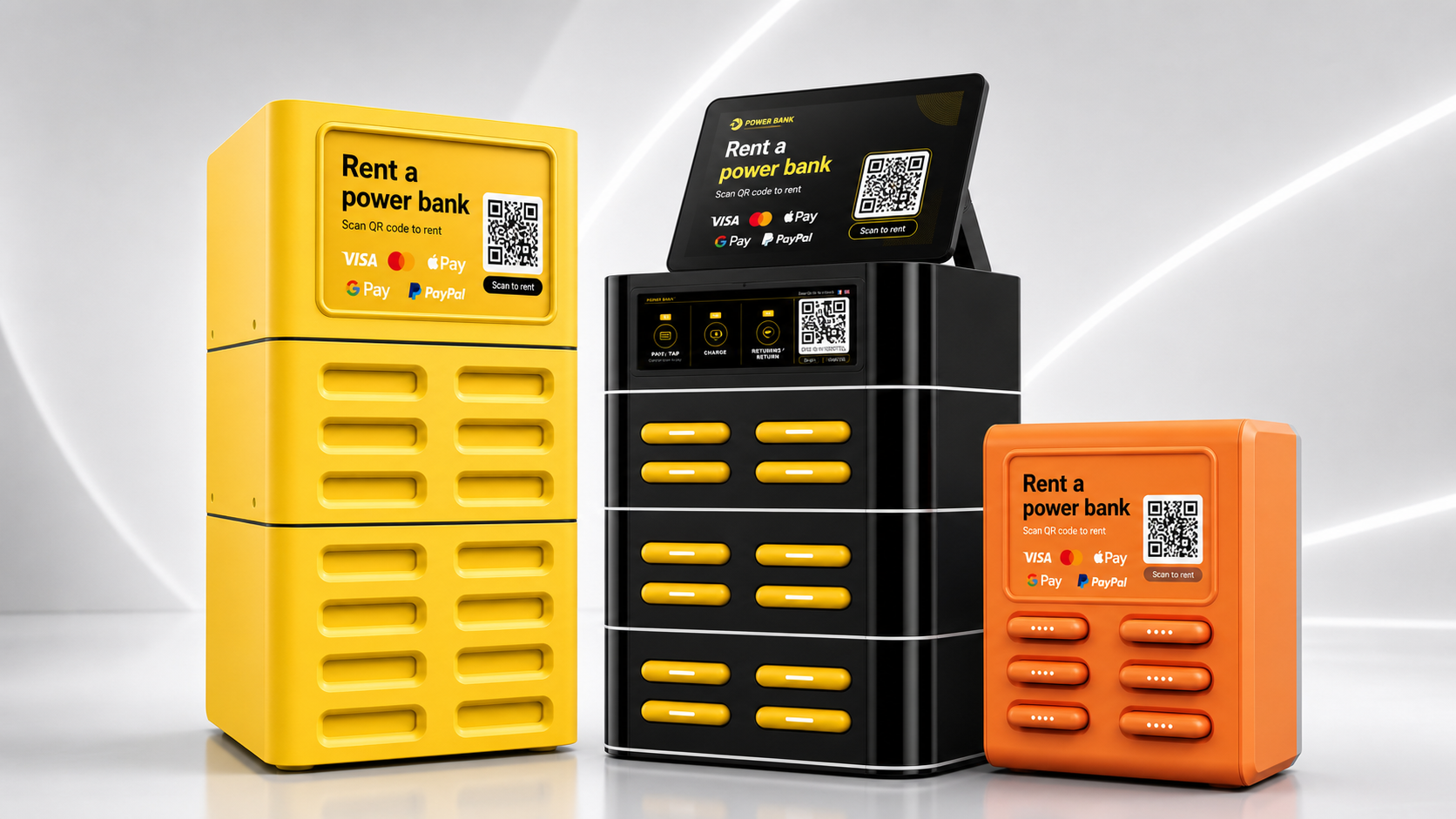
Device appearance, brand label, rental journey, dashboard and payment setup can be planned together instead of as separate projects.
Start from a proven SaaS and hardware base, then adjust the parts that buyers and end users see in the target market.
Logo, color, device label, QR guidance and user-facing brand surfaces.
Desktop stations, stackable devices, screen cabinets and venue-specific combinations.
Landing page, scan flow, deposit copy, refund messages, language and support entry.
Stripe, PayPal, Apple Pay, Google Pay, local wallets, currency and refund rules.
Roles, merchants, agents, pricing, settlement, dashboard permission and reports.
Carton label, user guide, shipment material, certificates and factory proof package.
New operators can start with a lower-risk SaaS pilot, while proven teams can move toward a stronger own-brand system.
Use a prepared SaaS launch stack, recommended devices and basic brand configuration to test venues and payments with lower first-batch risk.
When orders, venues and partners are proven, upgrade labels, H5/App assets, dashboard identity, domain and deployment scope.
For mature operators, existing devices, merchants, pricing and operational rules can prepare for private deployment and future service modules.
A clear process keeps the first order practical: confirm scope, review mockups, test samples, configure SaaS, then arrange production and shipping.
Define country, venue type, first-batch quantity, device model and payment requirements.
Share logo, colors, label copy, domain, language, support contact and app/H5 requirements.
Check device appearance, QR area, screen content, rental page and packaging before batch production.
Set roles, pricing, deposit/refund rules, currency, merchant settlement and payment gateway.
Finalize production, documents, shipment and launch support, then track real orders in the dashboard.
The customization page is not only about a shell or color change. It connects the public product, rental journey and management backend buyers will rely on after launch.
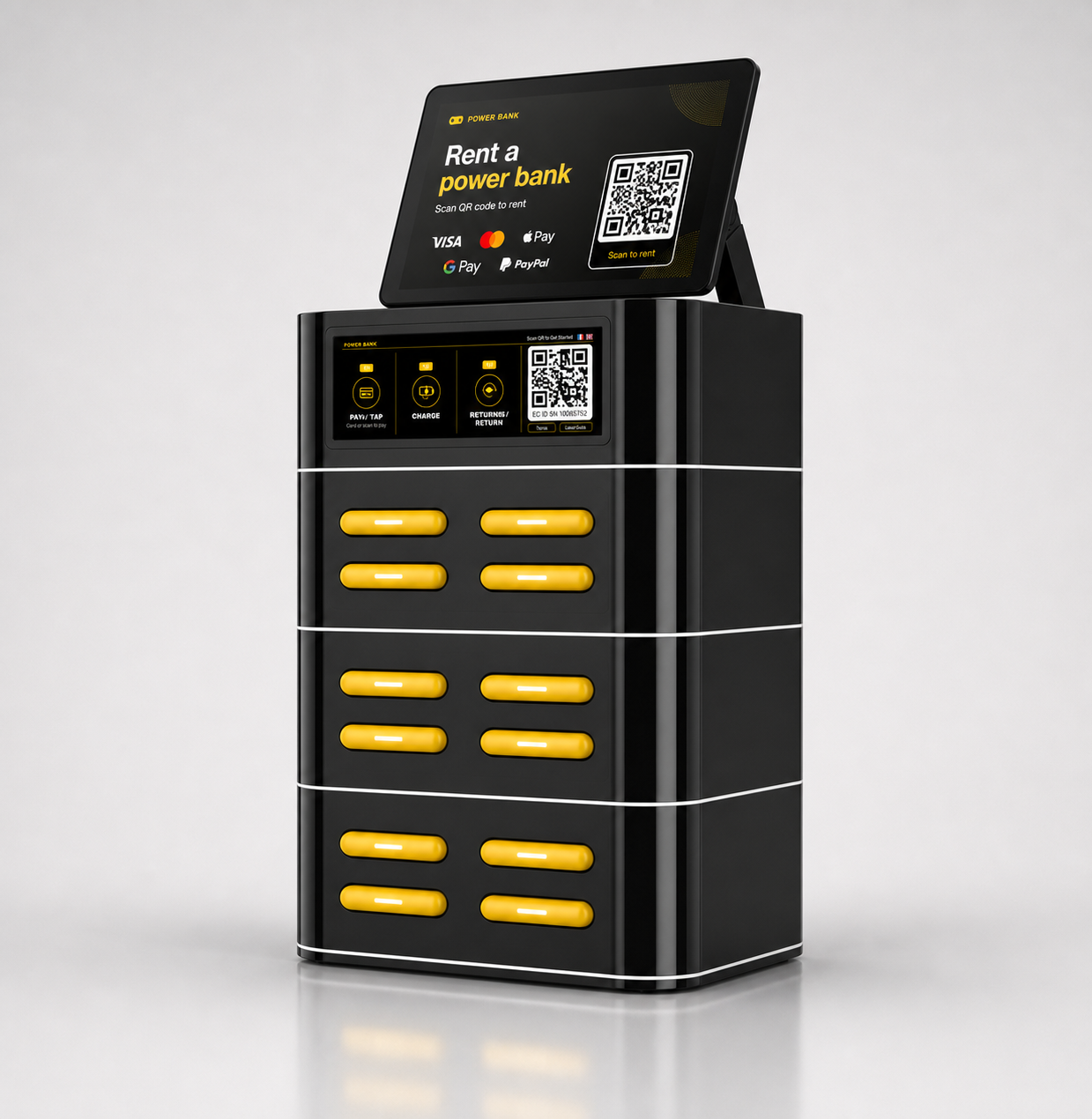
Device format, label position and QR guidance are planned with the venue scenario.
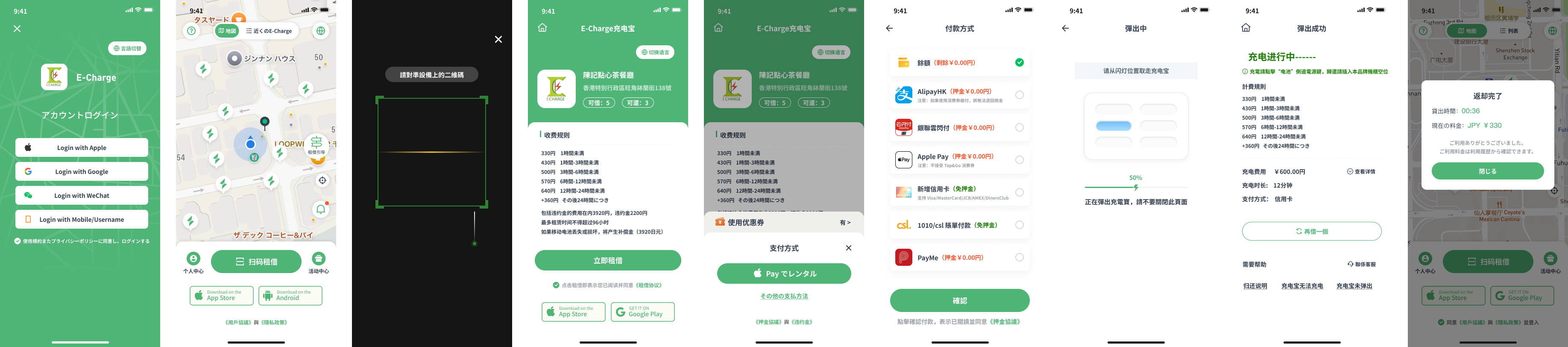
Users scan, pay, rent, return and request support through localized H5/App flows.
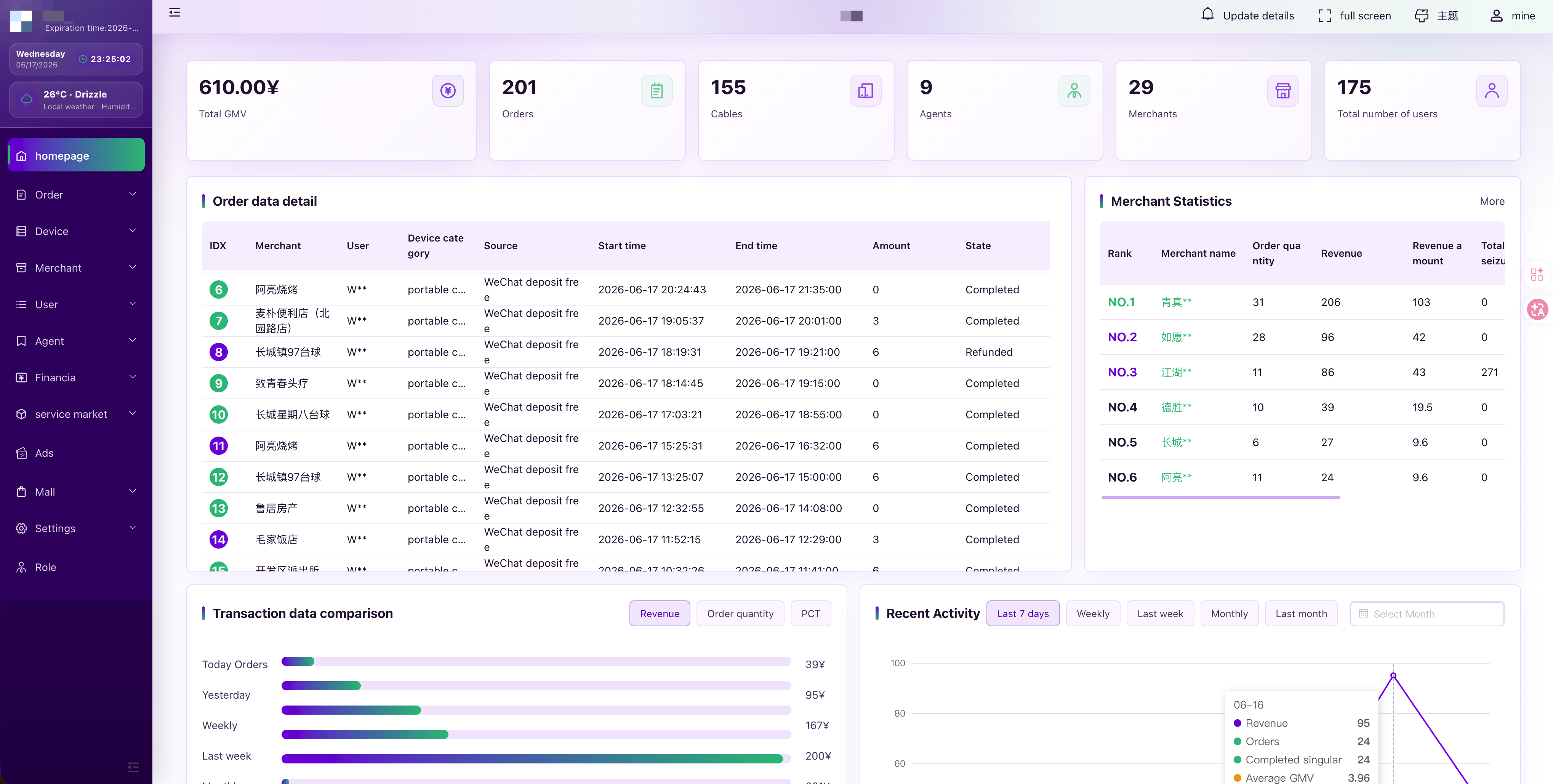
Brand teams monitor orders, devices, merchants, revenue and refund activity after deployment.
Yes. Many teams begin with a lower-risk SaaS pilot, then upgrade brand assets and prepare migration once venues and order data are proven.
Prepare target country, first-batch quantity, preferred device models, logo, brand colors, payment method, language, domain and expected launch date.
Yes. The microservice architecture can support extensions such as mall, food ordering, advertising, merchant services or other local business modules when the operating model is mature.
No. OEM/ODM pricing depends on device model, quantity, customization depth, payment integration, certification documents, packaging and shipping plan.
Send your target market, device quantity and brand requirements. We will match the SaaS, hardware and OEM/ODM path for your first launch.