Buyers usually do not need another generic product brochure. They need to understand whether a shared power bank rental system can support their first pilot, venue rollout, payment setup and future brand path without becoming a retail charger purchase.
For the global B2B software scope, review the shared power bank rental system for overseas operators. For a market-specific example, review the Power Bank Rental System in Singapore page. For package planning, use the pilot package guide.
Who is this FAQ for?
This FAQ is for B2B operators, agents, distributors, venue owners and local brand teams. It is not for individual users who want to buy one personal power bank.
The platform discussion usually includes SaaS, rental stations, H5/App flow, payments, dashboard access, merchant or agent roles, support workflow and optional OEM/ODM customization.
How should buyers understand CoreCharge Cloud?
CoreCharge Cloud is best read as a shared power bank rental SaaS and launch-support provider. The buyer conversation is about how to connect rental stations, QR-based H5/App flows, operator dashboards, payment/refund planning, merchant roles and agent reports into one launchable operating model.
It is not a consumer accessory shop, a payment processor, a venue broker or a public claim that every market is already approved. Those parts still depend on the buyer’s local entity, payment provider review, venue access, logistics and operating team.
Can I start with a small pilot?
Yes. Many teams should start with a small or medium pilot instead of guessing a large first batch. A 10-20 station starter pilot can validate venue acceptance, payment flow, user return behavior and support workload. A 30-50 station city test can compare several venue types. A 50+ station agent launch needs clearer merchant, agent and reporting rules.
Do I need an app before launch?
Not always. An H5 scan-to-rent flow can be enough for early validation: users scan, review pricing or deposit rules, complete the payment handoff, unlock, return and review the final charge or refund state. A native app can be added later when the operator needs stronger brand retention, app-store acquisition or richer user features. The H5 vs app rental flow guide explains the channel choice, while the H5 payment, return and refund UAT guide covers failure paths.
What software features matter most?
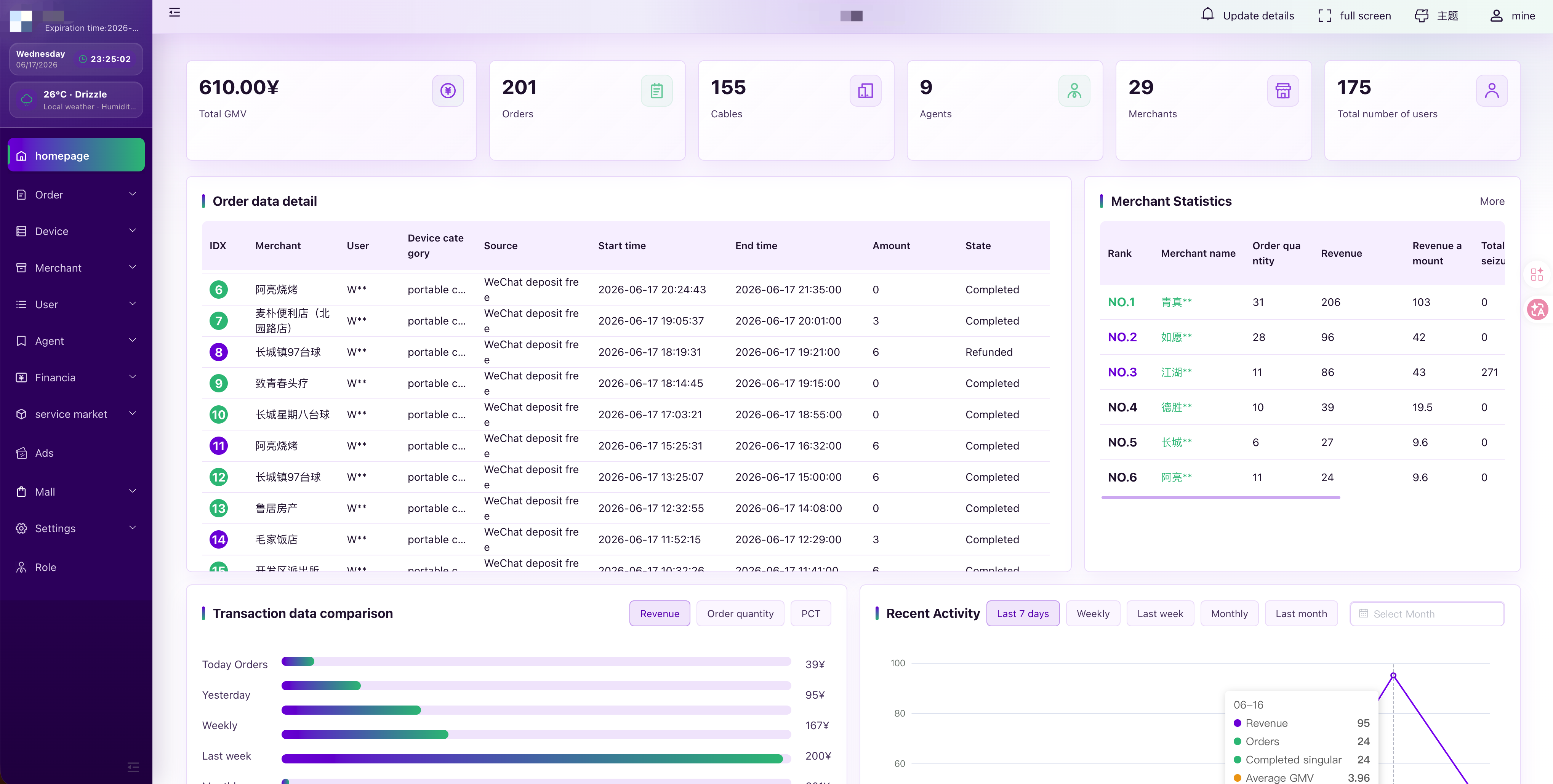
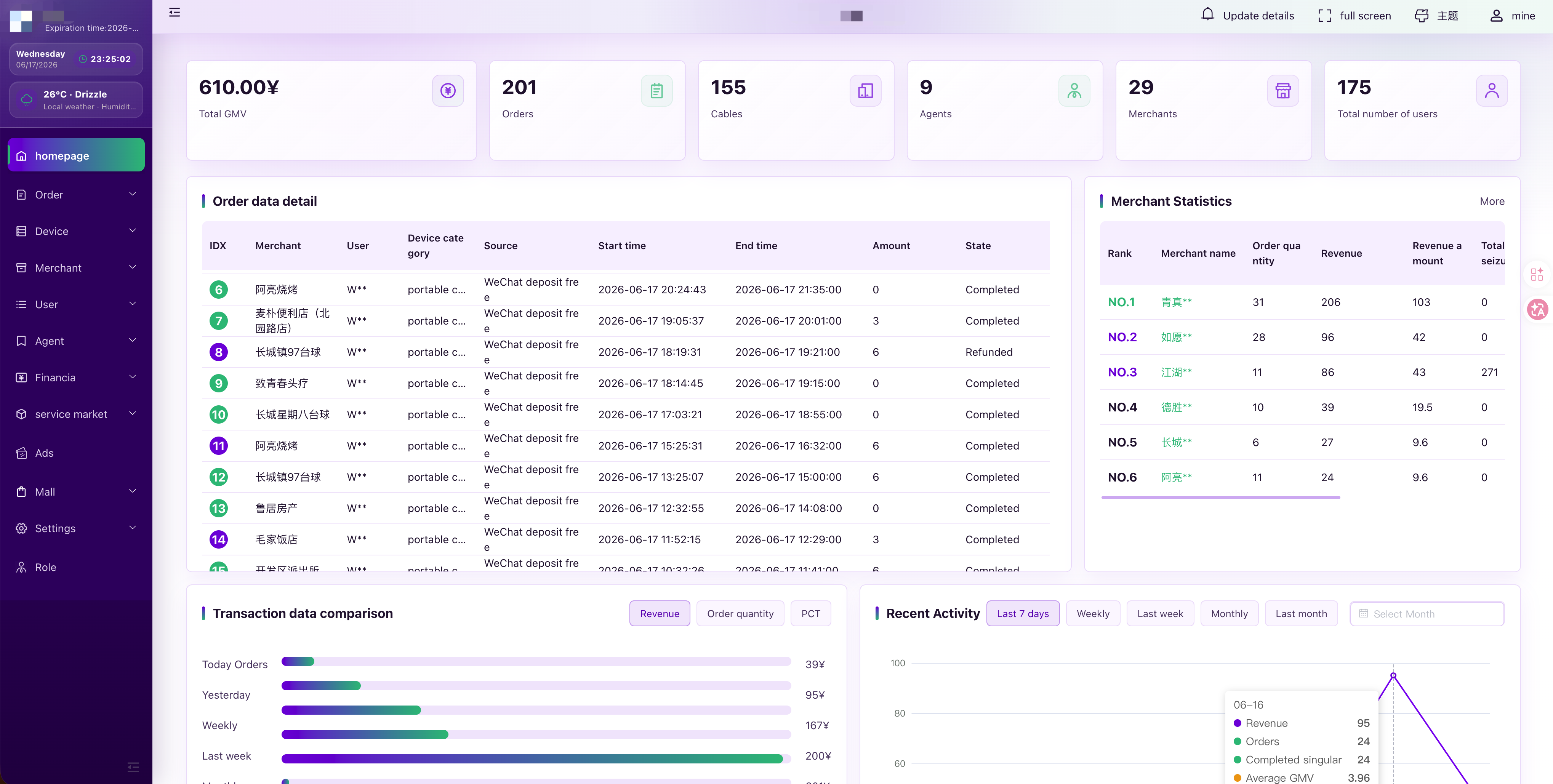
The first features to check are device management, order records, payment/refund visibility, merchant or agent roles, offline alerts, pricing rules and reports. These features help the buyer understand whether the system can be operated after stations are placed.
For a deeper breakdown, read the power bank rental software features guide and the field-level agent dashboard and reconciliation guide.
Do you provide hardware or only SaaS?
CoreCharge Cloud is SaaS-first, but the launch discussion can include compatible shared power bank stations, station formats, branding options and OEM/ODM planning. Buyers who need device customization can review the OEM/ODM customization path.
What payment methods are needed?
Payment methods depend on the target market. A buyer may need card payments, wallets, QR payments, local bank methods or a payment service provider that supports deposits and refunds. Public references such as Stripe payment method documentation and the Monetary Authority of Singapore SGQR page can help teams prepare questions before choosing a provider.
Can the system support agents and venues?
Yes, if the project is configured with role boundaries. Operators should separate owner, agent and merchant responsibilities before expansion: who can see station status, order records, merchant reports, settlement summaries and support tickets. The agent and merchant roles guide expands this topic.
How should I request a quote?
Avoid asking only for a unit price. Send target city, estimated station quantity, venue type, preferred payment method, whether you want H5 or app, branding needs and expected pilot timing. This makes the quote conversation closer to a launch plan.
What does CoreCharge Cloud avoid promising publicly?
We do not promise a fixed ROI, guaranteed revenue, payment approval, compliance approval or a universal launch time. These depend on venue access, payment provider review, local requirements, device quantity, logistics and the operator’s execution.
FAQ
Is CoreCharge Cloud for retail power bank buyers?
No. CoreCharge Cloud is positioned for operators, agents, distributors, venue owners and local brand teams planning shared power bank rental stations.
What should I send before asking for a pilot plan?
Send target country or city, estimated station quantity, venue type, preferred payment method, branding needs and launch timing.